 EN
EN


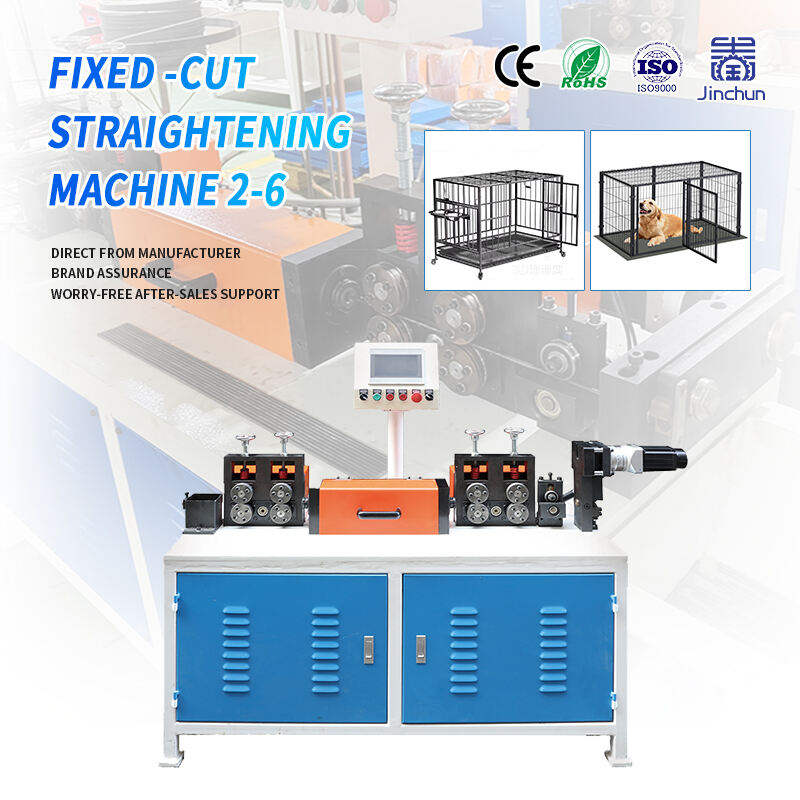
Essential Guidelines for Wire Straightening Equipment Care
Wire straightening machine maintenance plays a crucial role in ensuring optimal performance and longevity of your industrial equipment. Proper maintenance not only extends the machine's lifespan but also guarantees consistent wire quality output. Manufacturing facilities worldwide depend on these sophisticated machines to transform coiled wire into perfectly straight sections for various applications. Understanding and implementing the right maintenance procedures is essential for maintaining production efficiency and reducing costly downtime.
The complexity of modern wire straightening machines demands a comprehensive approach to maintenance. From regular inspections to preventive care measures, each aspect requires careful attention to detail and technical expertise. This guide explores proven maintenance strategies that will help you maximize your equipment's performance while minimizing operational issues.
Fundamental Maintenance Procedures
Daily Inspection Protocol
Beginning each production day with a thorough inspection sets the foundation for reliable operation. Operators should check for any unusual sounds, vibrations, or movements during startup. Visual inspection of rollers, guides, and straightening components helps identify potential issues before they escalate into major problems. The wire straightening machine maintenance checklist should include examining oil levels, checking for loose components, and ensuring all safety mechanisms are functioning properly.
Documentation of daily inspections creates a valuable record for tracking machine performance over time. This data helps identify patterns and predict potential maintenance needs before equipment failure occurs. Establishing a systematic approach to daily checks ensures consistency and builds operator awareness of their machine's normal operating conditions.
Lubrication Management
Proper lubrication is the lifeline of wire straightening equipment. Regular application of appropriate lubricants to moving parts reduces friction, prevents wear, and maintains smooth operation. The maintenance schedule should specify lubrication points, types of lubricants, and frequency of application. Different components may require specific lubricants, and using the wrong type can lead to premature wear or failure.
Modern wire straightening machines often feature automated lubrication systems, but these still require monitoring and maintenance. Regular checks of oil reservoirs, distribution lines, and filtering systems ensure continuous and effective lubrication. Implementing a systematic approach to lubrication management significantly extends component life and reduces maintenance costs.
Advanced Maintenance Strategies
Roller Maintenance and Alignment
The straightening rollers are critical components that directly impact wire quality. Regular inspection and maintenance of these rollers ensure consistent wire straightening results. Signs of wear, such as grooves or uneven surfaces, should be addressed promptly. Proper alignment of rollers is crucial for achieving optimal straightening results and preventing uneven wear.
Maintenance technicians should regularly check roller bearings, surfaces, and mounting hardware. Implementing a rotation schedule for roller positions helps distribute wear evenly and extends service life. When replacement becomes necessary, using high-quality components and following proper installation procedures ensures reliable operation.
Electronic System Care
Modern wire straightening machines incorporate sophisticated electronic controls and sensors. Regular maintenance of these systems includes cleaning control panels, checking electrical connections, and validating sensor calibration. Protecting electronic components from dust, moisture, and extreme temperatures helps prevent malfunctions and extends system life.
Backup procedures for control system parameters and regular software updates are essential aspects of electronic system maintenance. Creating documentation of system settings and maintaining current backup files ensures quick recovery from any electronic system issues.
Preventive Maintenance Planning
Scheduling and Documentation
Effective wire straightening machine maintenance requires a well-organized scheduling system. Creating detailed maintenance calendars that include daily, weekly, monthly, and annual tasks helps ensure no critical maintenance items are overlooked. Documentation of all maintenance activities, including repairs, adjustments, and component replacements, provides valuable historical data for future reference.
Implementing a computerized maintenance management system (CMMS) can streamline scheduling and documentation processes. These systems help track maintenance history, manage spare parts inventory, and generate reports for analysis and planning.
Training and Skill Development
Proper training of maintenance personnel and machine operators is essential for effective equipment care. Regular training sessions should cover basic maintenance procedures, troubleshooting techniques, and safety protocols. Keeping staff updated on new maintenance methods and equipment improvements ensures optimal machine performance.
Developing in-house expertise through comprehensive training programs reduces dependence on external service providers and enables faster response to maintenance needs. Investment in training pays dividends through improved equipment reliability and reduced downtime.
Frequently Asked Questions
How often should wire straightening machines undergo complete maintenance?
A comprehensive maintenance inspection should be performed at least quarterly, with specific components checked more frequently based on usage patterns and manufacturer recommendations. Daily and weekly maintenance tasks should be performed according to a structured schedule, while major overhauls might be necessary annually or bi-annually depending on production volume and operating conditions.
What are the signs that indicate immediate maintenance is needed?
Key indicators include unusual noise or vibration, inconsistent wire straightness, visible wear on rollers or guides, increased power consumption, and irregular performance of control systems. Any sudden changes in machine operation should trigger immediate inspection and maintenance response.
How can maintenance costs be optimized without compromising equipment performance?
Implement predictive maintenance techniques using condition monitoring tools, maintain detailed maintenance records, invest in operator training, and use high-quality replacement parts. Developing a comprehensive preventive maintenance program often reduces long-term costs by preventing major breakdowns and extending equipment life.
What role does cleanliness play in wire straightening machine maintenance?
Cleanliness is crucial for optimal machine performance. Regular cleaning prevents build-up of wire debris and lubricant residue that can affect straightening quality. Clean equipment allows for better inspection, reduces wear on components, and helps maintain precise straightening tolerances. Establishing daily cleaning protocols as part of the maintenance routine is essential for long-term reliability.