Professional Mesh Welding Equipment - Advanced Industrial Wire Mesh Manufacturing Solutions

Get a Free Quote

Our representative will contact you soon.
Email
Name
Company Name
Phone / WhatsApp
Required Product
Message
0/1000

mesh welding equipment

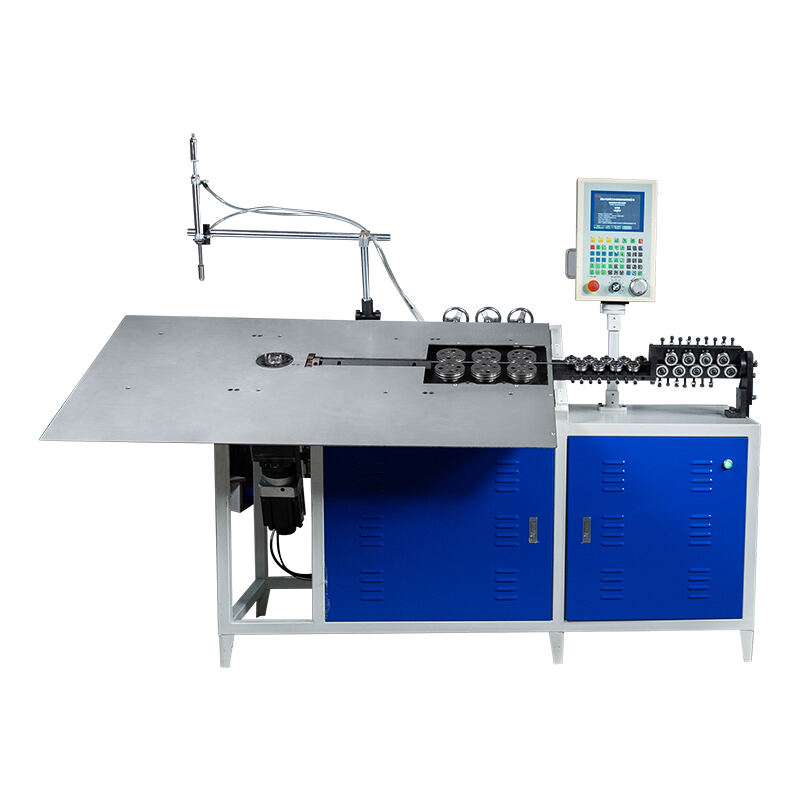
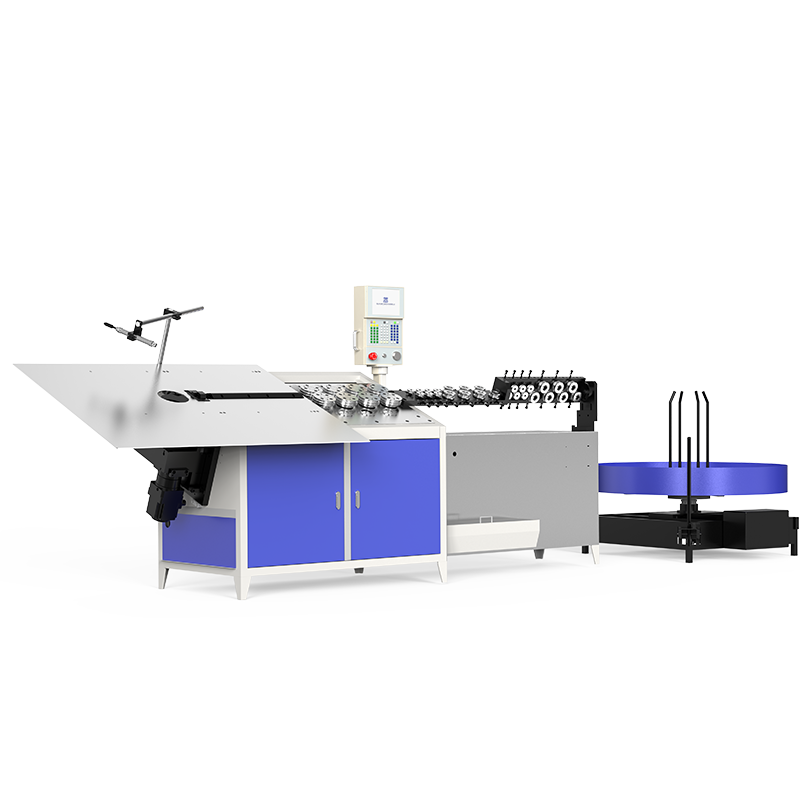
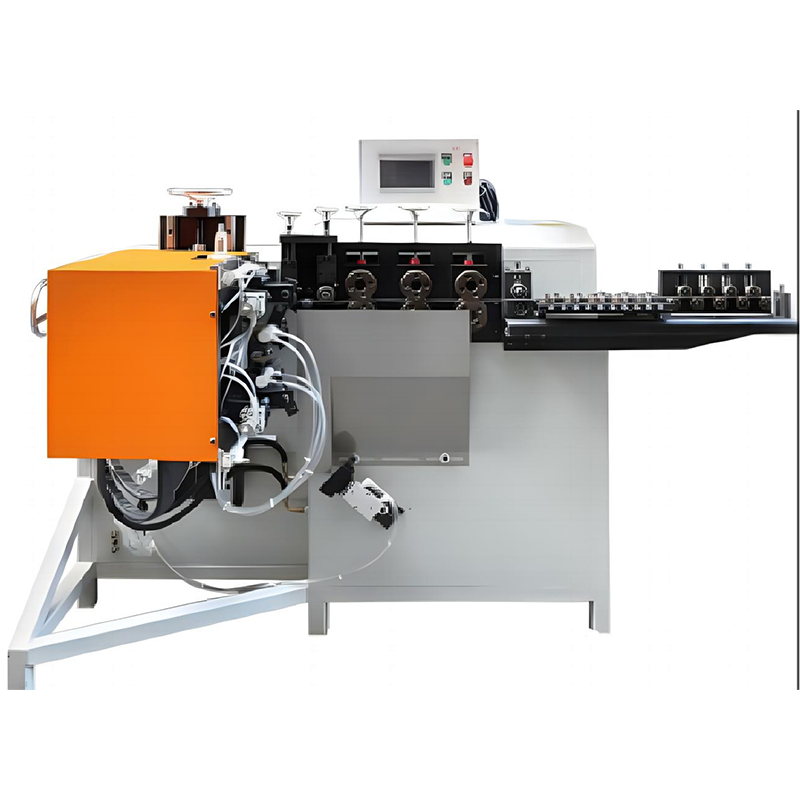
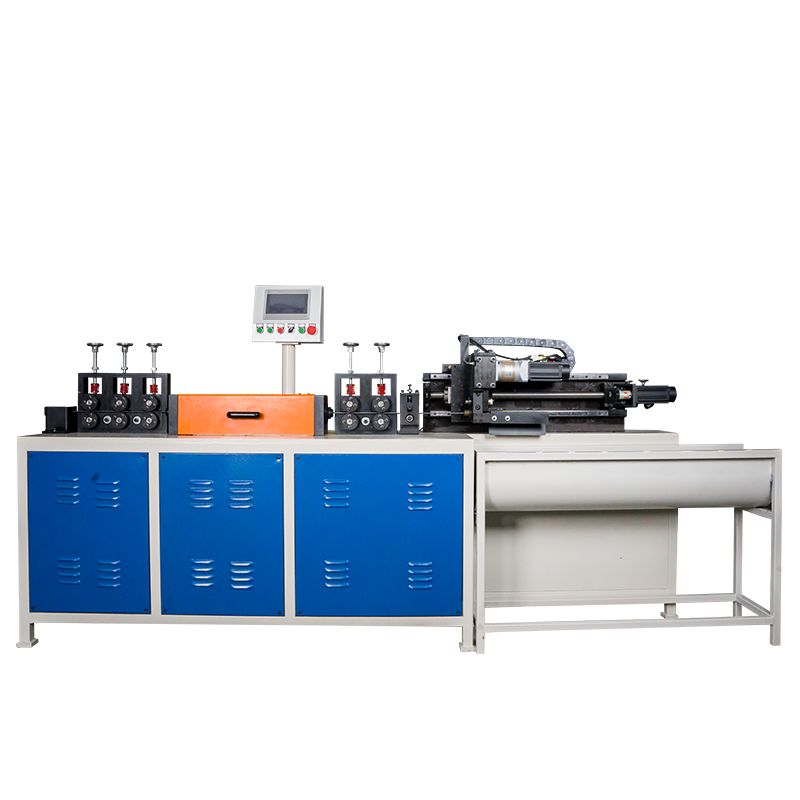
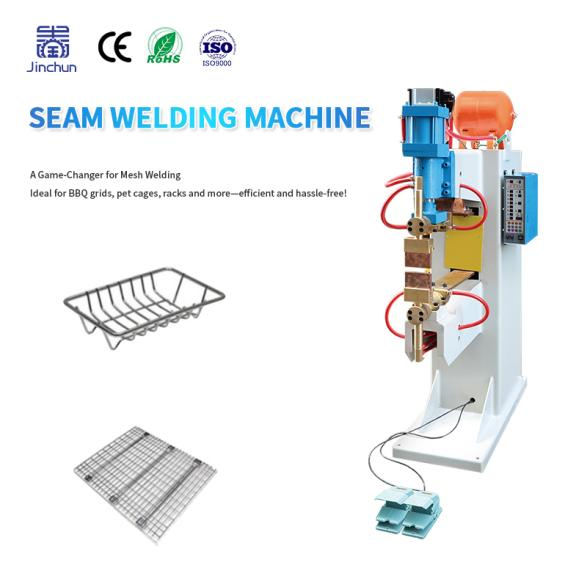
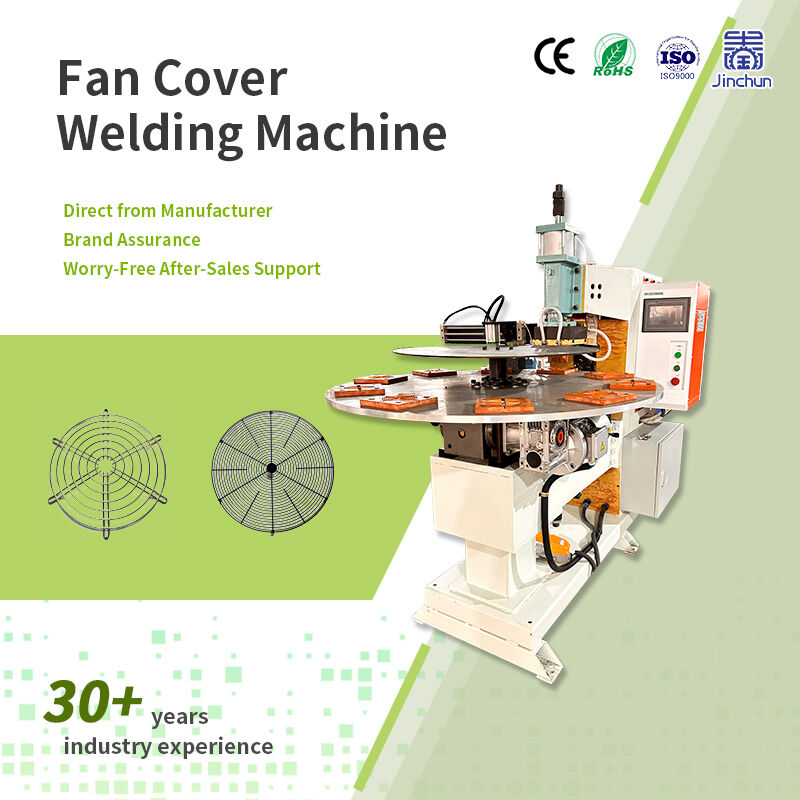
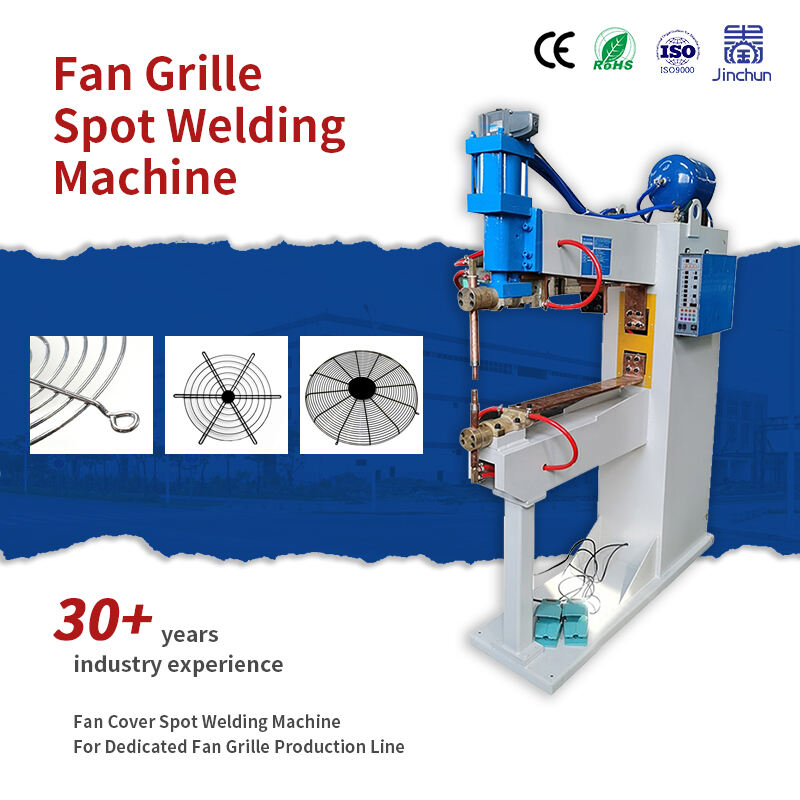
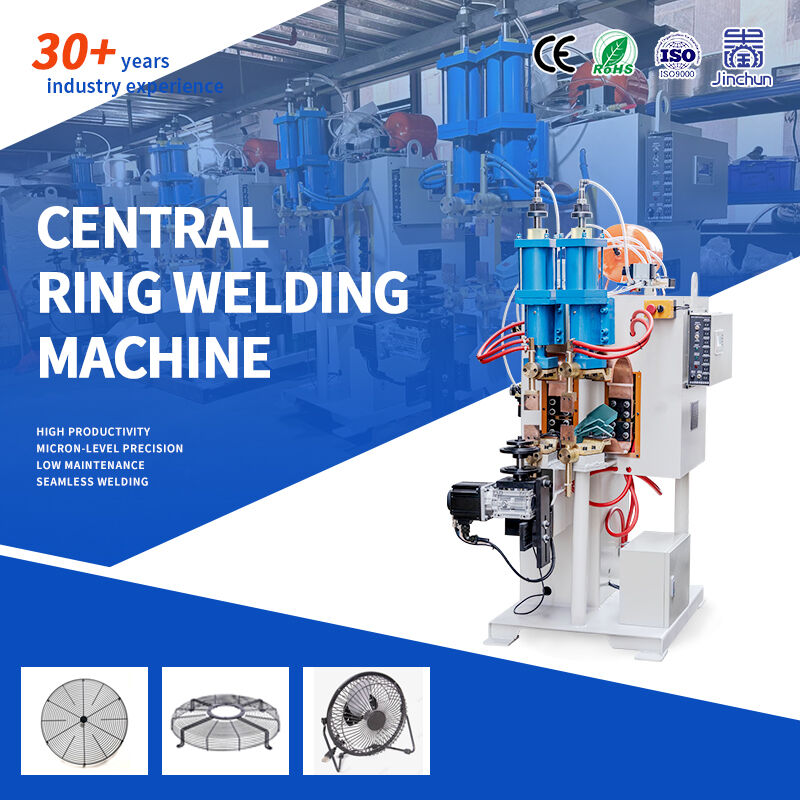
Mesh welding equipment represents a specialized category of industrial machinery designed to create strong, durable welded mesh products used across numerous industries. This sophisticated equipment combines precision engineering with automated processes to produce consistent, high-quality mesh structures that meet stringent industry standards. The primary function of mesh welding equipment involves joining wire strands at predetermined intersection points through resistance welding techniques, creating a unified grid structure with exceptional strength characteristics. Modern mesh welding equipment incorporates advanced control systems that regulate welding parameters such as current, pressure, and timing to ensure optimal bond formation between wires. The technological features of contemporary mesh welding equipment include programmable logic controllers that enable operators to customize welding patterns, adjust wire spacing, and modify mesh dimensions according to specific project requirements. These machines typically feature robust steel frames designed to withstand continuous operation while maintaining precise alignment of welding components. The welding heads utilize copper electrodes that deliver controlled electrical current to create fusion between wire intersections without compromising the integrity of the base materials. Advanced cooling systems prevent overheating during extended production runs, while automatic wire feeding mechanisms ensure consistent material supply throughout the manufacturing process. Applications for mesh welding equipment span multiple industries including construction, agriculture, security, and industrial filtration. In construction applications, this equipment produces reinforcement mesh used in concrete structures, providing enhanced tensile strength and crack resistance. Agricultural operations utilize mesh welding equipment to manufacture livestock fencing, crop protection barriers, and storage containers. Security applications include the production of perimeter fencing, window guards, and protective enclosures. Industrial filtration systems rely on precisely welded mesh screens that separate particles while maintaining optimal flow characteristics. The versatility of mesh welding equipment allows manufacturers to process various wire materials including stainless steel, galvanized steel, and specialty alloys, accommodating diverse customer specifications and environmental requirements.

New Product Releases

Mesh welding equipment delivers substantial operational benefits that directly impact manufacturing efficiency and product quality. The automated welding process eliminates human error variables commonly associated with manual joining methods, resulting in consistent weld quality across entire production batches. This consistency translates into predictable product performance and reduced quality control costs for manufacturers. The precision control systems integrated into modern mesh welding equipment allow operators to achieve exact specifications repeatedly, minimizing material waste and reducing overall production costs. Speed advantages become immediately apparent when comparing mesh welding equipment to alternative joining methods. These machines can complete hundreds of weld points per minute, significantly outpacing manual or semi-automated processes. The increased production velocity enables manufacturers to fulfill larger orders within shorter timeframes, improving customer satisfaction and creating opportunities for expanded market reach. Cost efficiency represents another compelling advantage of mesh welding equipment. While the initial investment may seem substantial, the long-term savings through reduced labor requirements, decreased material waste, and improved production throughput quickly justify the expenditure. The equipment typically requires minimal operator intervention once properly programmed, allowing skilled workers to focus on other value-added activities within the production facility. Quality improvements achieved through mesh welding equipment usage extend beyond mere consistency. The controlled welding environment produces stronger joints compared to alternative methods, resulting in finished products with enhanced durability and longer service life. Customers benefit from superior product performance while manufacturers experience fewer warranty claims and returns. Flexibility stands out as a significant operational advantage, as modern mesh welding equipment can accommodate various wire gauges, materials, and mesh configurations without extensive reconfiguration requirements. This adaptability allows manufacturers to serve diverse market segments using a single equipment investment. Safety benefits cannot be overlooked when evaluating mesh welding equipment advantages. Automated operations reduce worker exposure to welding hazards, including sparks, heat, and ergonomic stress associated with repetitive manual tasks. Enhanced safety protocols contribute to lower insurance costs and improved workplace morale. Environmental considerations also favor mesh welding equipment adoption. Precise control over welding parameters reduces energy consumption compared to less efficient alternatives, while minimized material waste supports sustainable manufacturing practices. The reliability of modern mesh welding equipment ensures consistent production schedules with minimal unplanned downtime, supporting lean manufacturing principles and just-in-time delivery commitments.

Practical Tips

How to Choose the Right Bending Machines for Your Shop

20

Nov

How to Choose the Right Bending Machines for Your Shop

Selecting the appropriate bending machines for your manufacturing shop represents one of the most critical investments you'll make in your production capabilities. The right equipment can dramatically improve efficiency, precision, and profitability ...
View More
Automating Mesh Welding with Double-Layer XY Axis Welding Machines

07

Jan

Automating Mesh Welding with Double-Layer XY Axis Welding Machines

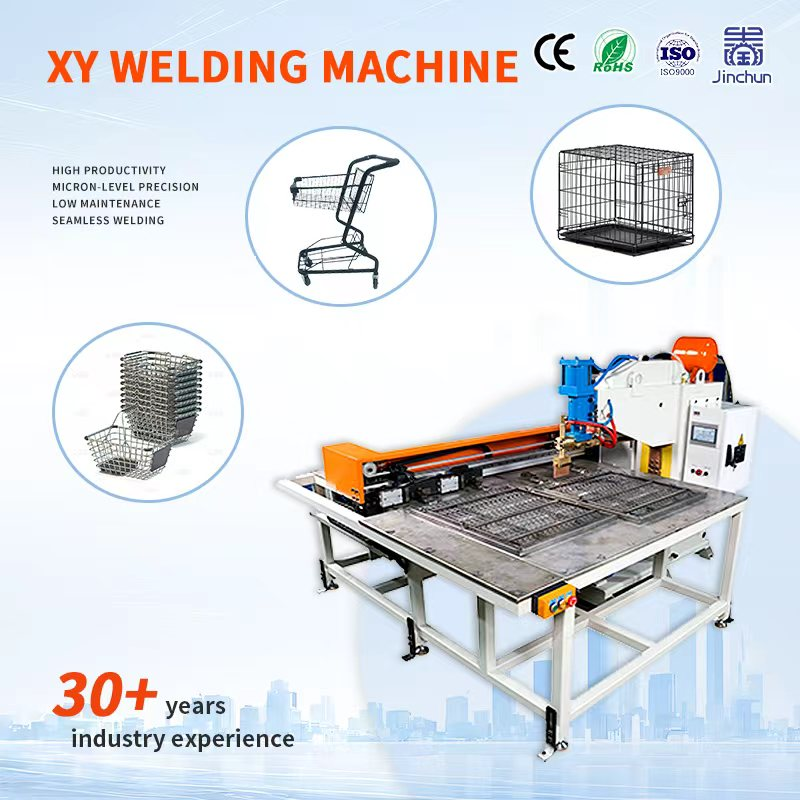
In the modern landscape of metal fabrication, the demand for high-quality mesh products—ranging from storage cages and display shelves to protective fencing and pet enclosures—has never been higher. To meet this demand while maintaining...
View More
Circle Forming Machines in Dust Filter Cage and Fan Guard Manufacturing

07

Jan

Circle Forming Machines in Dust Filter Cage and Fan Guard Manufacturing

In the world of high-precision metal fabrication, the demand for perfect circular components is a constant factor. Whether you are producing structural elements for Furniture, durable components for Hardware, intricate Automotive & Motorcycle Accesso...
View More
 Mesh Welding Machines for Efficient Poultry and Pet Cage Production

25

Feb

Mesh Welding Machines for Efficient Poultry and Pet Cage Production

In the competitive market of animal husbandry and pet supplies, the quality of wire housing can determine a brand's reputation. Whether you are manufacturing large-scale poultry layers or intricate pet crates, the demand for precision, strength, and ...
View More

Get a Free Quote

Our representative will contact you soon.
Email
Name
Company Name
Phone / WhatsApp
Required Product
Message
0/1000

mesh welding equipment

Advanced Precision Control Technology

Advanced Precision Control Technology

The sophisticated control technology integrated into modern mesh welding equipment represents a revolutionary advancement in manufacturing precision and operational efficiency. This cutting-edge system employs programmable logic controllers combined with advanced sensor networks to monitor and adjust welding parameters in real-time, ensuring optimal results across diverse production scenarios. The precision control technology enables operators to program exact specifications for wire spacing, weld strength, and mesh dimensions, creating products that meet the most demanding engineering requirements. Temperature monitoring systems continuously track electrode heat levels, automatically adjusting cooling cycles to maintain consistent welding conditions throughout extended production runs. Current regulation modules provide precise control over electrical energy delivery, ensuring each weld point receives the exact amount of power needed for optimal fusion without damaging surrounding wire material. The user-friendly interface allows operators to save multiple configuration profiles, enabling rapid changeovers between different product specifications without complex manual adjustments. Advanced diagnostic capabilities provide real-time feedback on equipment performance, alerting operators to potential issues before they impact production quality. The system maintains detailed production logs that support quality assurance protocols and regulatory compliance requirements. Integration capabilities allow the control technology to communicate with existing factory management systems, providing valuable data for production planning and inventory management. The precision achieved through this advanced control technology directly translates into superior product consistency, reduced waste, and enhanced customer satisfaction. Manufacturers benefit from predictable production outcomes that support accurate scheduling and resource allocation. The technology also enables the production of complex mesh patterns that would be impossible to achieve through manual methods, opening new market opportunities for innovative product designs. Long-term reliability of the control systems ensures consistent performance over years of operation, protecting the equipment investment while maintaining production efficiency standards.
High-Speed Automated Production Capability

High-Speed Automated Production Capability

The high-speed automated production capability of modern mesh welding equipment transforms manufacturing operations by delivering unprecedented throughput rates while maintaining exceptional quality standards. This advanced automation technology enables continuous operation with minimal human intervention, dramatically increasing production volumes compared to traditional manufacturing methods. The automated feeding systems precisely position wire materials at exact intervals, ensuring consistent mesh geometry throughout the production process. Servo-driven positioning mechanisms operate at remarkable speeds while maintaining micron-level accuracy, creating perfectly aligned intersections that enhance the structural integrity of finished mesh products. The synchronized operation of multiple welding heads allows simultaneous processing of numerous intersection points, multiplying production rates exponentially. Advanced material handling systems automatically manage wire inventory, ensuring uninterrupted production flow during extended manufacturing runs. The automation technology incorporates sophisticated sensors that monitor material tension, alignment, and feed rates, making instantaneous adjustments to maintain optimal processing conditions. Quality control sensors integrated into the production line detect potential defects immediately, triggering automatic corrections or product rejection to maintain consistent output quality. The high-speed capability enables manufacturers to meet aggressive delivery schedules while maintaining competitive pricing structures. Reduced cycle times translate directly into lower per-unit production costs, creating opportunities for improved profit margins or competitive pricing strategies. The automated systems operate reliably in demanding industrial environments, providing consistent performance across multiple shifts without degradation in speed or quality. Energy-efficient motors and optimized mechanical designs minimize power consumption despite high-speed operation, supporting sustainable manufacturing practices. The scalability of automated production allows manufacturers to easily adjust output levels based on market demand fluctuations without significant reconfiguration requirements. Training requirements for operators are minimized due to intuitive control interfaces and automated safety protocols, reducing staffing costs and improving operational flexibility.
Versatile Multi-Material Processing Capabilities

Versatile Multi-Material Processing Capabilities

The versatile multi-material processing capabilities of advanced mesh welding equipment provide manufacturers with unprecedented flexibility to serve diverse market segments using a single equipment investment. This adaptability stems from sophisticated electrode systems and adjustable welding parameters that accommodate various wire materials including stainless steel, galvanized steel, aluminum, copper alloys, and specialized composite materials. The equipment automatically adjusts welding current, pressure, and timing based on material properties, ensuring optimal joint formation regardless of wire composition or gauge. Advanced material detection systems identify wire characteristics and automatically select appropriate welding parameters, eliminating guesswork and reducing setup time between different production runs. The robust construction of modern mesh welding equipment handles materials ranging from delicate fine wires used in filtration applications to heavy-gauge cables required for industrial security fencing. Interchangeable electrode sets allow rapid reconfiguration for different material types, minimizing downtime during product changeovers. The versatile processing capability enables manufacturers to pursue opportunities in multiple industries without additional equipment investments. Construction markets benefit from reinforcement mesh in various steel grades, while agricultural applications may require corrosion-resistant galvanized materials. Food processing industries demand stainless steel mesh for sanitary applications, and electronics manufacturers need precision copper mesh for electromagnetic shielding. The ability to process dissimilar materials opens possibilities for innovative product designs that combine different wire types within a single mesh structure. Quality assurance protocols ensure consistent results across all material types, maintaining the reputation for reliability that customers expect. The multi-material capability also provides risk mitigation by reducing dependence on single market segments or material suppliers. Economic advantages include improved equipment utilization rates and reduced inventory requirements for specialized processing equipment. Technical support systems provide detailed guidance for optimal parameter settings across the full range of compatible materials, ensuring successful outcomes even when processing unfamiliar wire types. Long-term durability of the welding components ensures reliable performance across the complete spectrum of compatible materials throughout the equipment's operational lifetime.

Get a Free Quote

Our representative will contact you soon.
Email
Name
Company Name
Phone / WhatsApp
Required Product
Message
0/1000

Get a Free Quote

Our representative will contact you soon.
Email
Name
Company Name
Phone / WhatsApp
Required Product
Message
0/1000