 EN
EN


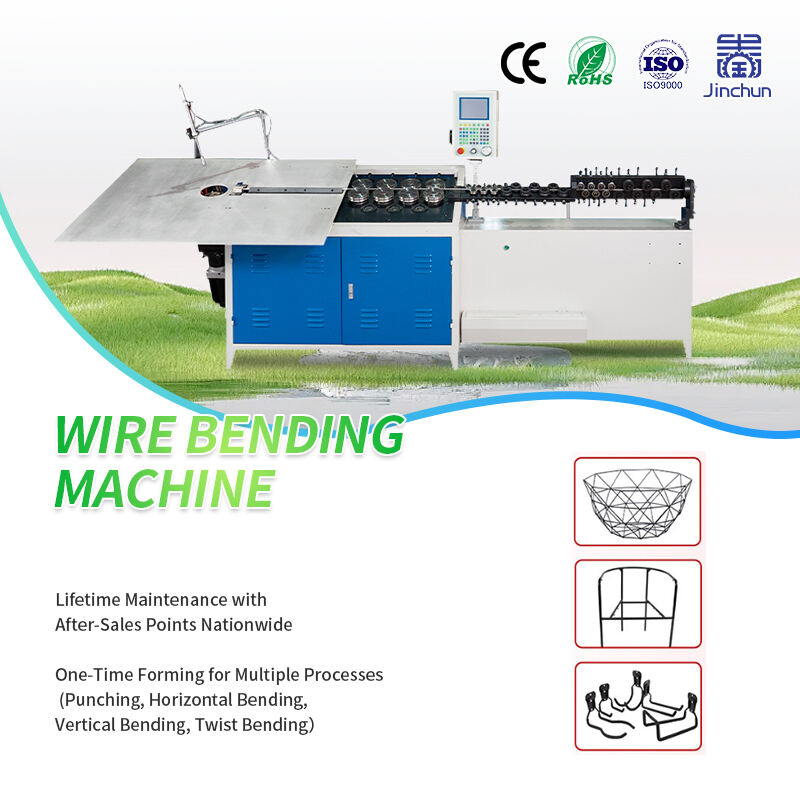
Essential Practices for Wire Straightening Equipment Care
Wire straightening machines play a crucial role in manufacturing and metalworking industries, transforming coiled or bent wire into straight, precise lengths ready for various applications. Proper maintenance of your wire straightening machine ensures optimal performance, extends equipment lifespan, and maintains product quality. This comprehensive guide explores professional maintenance strategies that will help you maximize your equipment's efficiency while minimizing costly downtime.
Understanding Wire Straightening Machine Components
Critical Mechanical Elements
The heart of any wire straightening machine consists of precisely engineered rollers and guides that work together to remove bends and curves from wire material. These components include feed rollers, straightening rollers, and exit guides, each requiring specific attention during maintenance. The alignment and condition of these parts directly impact the straightening quality and overall machine performance.
Modern wire straightening machines also incorporate sophisticated control systems, sensors, and motors that require regular inspection. Understanding how these components interact helps maintenance technicians identify potential issues before they develop into serious problems that could halt production.
Wear Points and Stress Areas
Several areas in a wire straightening machine experience significant wear during operation. The straightening rollers, being in constant contact with the wire, develop wear patterns that can affect straightening accuracy. Guide bushings and feed mechanisms also face considerable stress, especially when processing harder wire materials or operating at high speeds.
Regular inspection of these wear points allows for timely replacement or adjustment, preventing unexpected breakdowns and maintaining consistent product quality. Monitoring these areas helps establish more accurate maintenance schedules and replacement intervals.
Preventive Maintenance Schedules
Daily Inspection Routines
A robust daily maintenance routine forms the foundation of wire straightening machine care. This includes checking roller clearances, inspecting wire guides for wear, and ensuring proper lubrication of all moving parts. Operators should also monitor machine temperatures and listen for unusual sounds that might indicate developing problems.
Documentation of daily inspections helps track patterns and predict when components might need replacement or adjustment. This proactive approach helps prevent unexpected failures and maintains consistent production quality.
Weekly and Monthly Tasks
More comprehensive maintenance tasks should be performed weekly or monthly, depending on production volume and material types. These include thorough cleaning of all components, detailed alignment checks, and calibration of control systems. Lubricant levels and quality should be verified, and any accumulated wire debris should be removed from the machine.
Regular maintenance intervals also provide opportunities to update maintenance records and plan for future component replacements. This systematic approach helps optimize maintenance budgets and reduce emergency repair costs.
Lubrication Management
Selecting Appropriate Lubricants
Choosing the right lubricants for your wire straightening machine is crucial for optimal performance. Different components may require specific types of lubricants based on operating speeds, loads, and environmental conditions. High-quality synthetic lubricants often provide better protection and longer service life compared to conventional oils.
Consider factors such as operating temperature ranges, load characteristics, and compatibility with different wire materials when selecting lubricants. Proper documentation of lubrication specifications helps ensure consistency in maintenance procedures.
Lubrication Schedules and Methods
Implementing a detailed lubrication schedule helps prevent premature wear and extends component life. Some areas may require daily lubrication, while others might need attention weekly or monthly. Modern wire straightening machines often feature automated lubrication systems, but these still require regular monitoring and maintenance.
Training maintenance staff in proper lubrication techniques ensures consistent application and helps prevent over- or under-lubrication issues. Regular sampling and analysis of used lubricants can provide valuable insights into machine health and wear patterns.
Troubleshooting Common Issues
Identifying Performance Problems
Experience operators learn to recognize early signs of potential issues in wire straightening machines. Changes in operating noise, vibration patterns, or product quality often indicate developing problems. Regular monitoring of power consumption and operating temperatures can also help identify efficiency losses or mechanical issues.
Maintaining detailed records of machine performance helps establish baselines and identify trends that might indicate developing problems. This data-driven approach enables more accurate diagnosis and more efficient repairs.
Diagnostic Procedures
When problems arise, following systematic diagnostic procedures helps identify root causes quickly and accurately. This includes checking alignment, measuring component wear, and testing control system functions. Modern wire straightening machines often include built-in diagnostic capabilities that can help pinpoint specific issues.
Training maintenance staff in proper diagnostic procedures and providing them with appropriate tools ensures faster problem resolution and minimizes production disruptions. Regular practice of diagnostic procedures during scheduled maintenance helps build expertise and confidence.
Frequently Asked Questions
How often should roller alignments be checked on a wire straightening machine?
Roller alignments should be checked daily as part of routine inspection procedures, with more detailed alignment verification performed weekly. Heavy production schedules or processing of harder materials may require more frequent checks to maintain optimal straightening quality.
What signs indicate that straightening rollers need replacement?
Key indicators include visible wear patterns, inconsistent wire straightening results, increased power consumption, and unusual noise during operation. Regular measurement of roller dimensions and surface condition helps determine when replacement is necessary.
How can proper maintenance extend wire straightening machine lifespan?
Regular maintenance, including proper lubrication, timely component replacement, and careful alignment checks, can significantly extend machine life. Following manufacturer recommendations for maintenance schedules and using high-quality replacement parts also contributes to longer equipment life and better performance.