 EN
EN


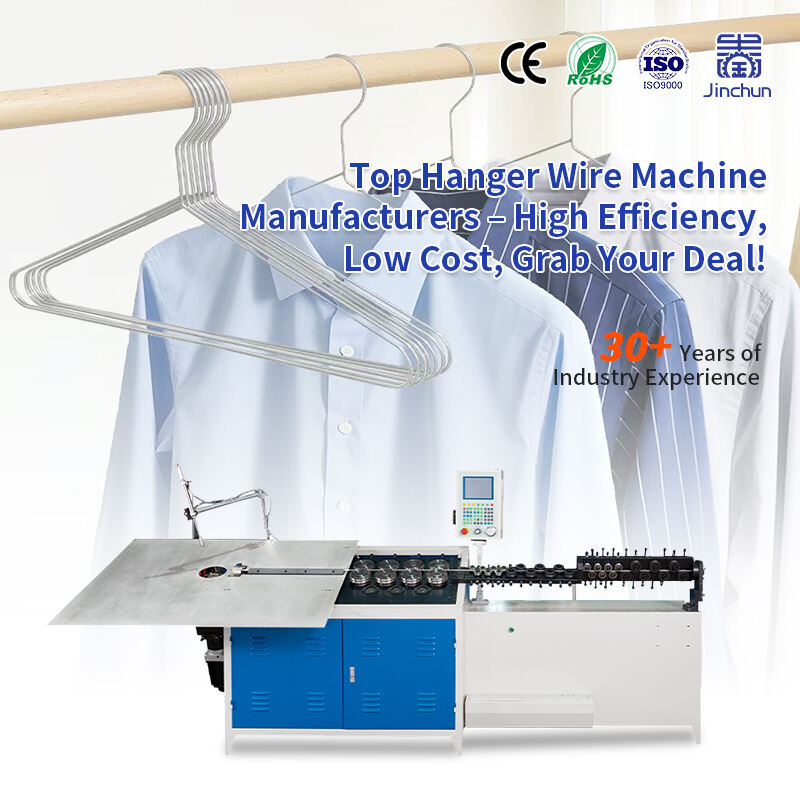
Revolutionary Manufacturing Technology Transforms Hula Hoop Production
The evolution of hula hoop manufacturing has taken a significant leap forward with advanced hoop forming machine technology. These specialized machines have revolutionized the way recreational and professional-grade hula hoops are produced, offering unprecedented precision, efficiency, and scalability for manufacturers worldwide. Modern hoop forming machine systems integrate cutting-edge automation with traditional craftsmanship principles, ensuring consistent quality while meeting growing market demands.
Core Components and Technical Excellence
Advanced Mechanical Design Elements
At the heart of every hoop forming machine lies a sophisticated mechanical system that precisely shapes raw materials into perfect circles. The main component includes a programmable circular forming unit that maintains exact diameter specifications throughout the production process. High-grade steel rollers and guide mechanisms ensure smooth material flow, while precision sensors monitor and adjust pressure points to prevent material stress or deformation.
The machine's innovative roller configuration allows for multiple diameter settings, accommodating various hoop sizes from children's models to professional performance equipment. This versatility makes the hoop forming machine an invaluable asset for manufacturers serving diverse market segments.
Automated Control Systems
Modern hoop forming machine technology incorporates advanced PLC systems that offer precise control over every aspect of the manufacturing process. Digital interfaces enable operators to adjust parameters such as forming speed, temperature, and pressure with microscopic accuracy. These smart controls also feature real-time monitoring capabilities, allowing for immediate adjustments to maintain optimal production conditions.
The integration of IoT sensors provides valuable data analytics, helping manufacturers optimize their production cycles and predict maintenance needs before issues arise. This predictive capability significantly reduces downtime and ensures consistent output quality.
Production Efficiency and Quality Assurance
Streamlined Manufacturing Process
The hoop forming machine revolutionizes production efficiency through its continuous operation capability. Unlike traditional methods that required extensive manual intervention, modern machines can process hundreds of hoops per hour with minimal operator oversight. The automated material feeding system ensures consistent supply, while integrated cutting mechanisms precisely terminate each hoop at the exact length required.
Advanced machines also feature quick-change tooling systems that allow rapid transitions between different hoop sizes and materials. This flexibility enables manufacturers to respond swiftly to varying market demands while maintaining high production standards.
Quality Control Integration
Built-in quality assurance features distinguish modern hoop forming machine systems from their predecessors. Laser measurement systems continuously monitor hoop dimensions, while tension sensors ensure uniform material distribution throughout the forming process. These automated inspection points eliminate the need for time-consuming manual checks and significantly reduce the possibility of defective products reaching the market.
The machines also incorporate advanced material handling systems that prevent surface scratches or deformation during the forming process. This attention to detail ensures that every hoop meets strict quality standards while maintaining the aesthetic appeal crucial for consumer products.
Material Compatibility and Versatility
Multi-Material Processing Capabilities
Contemporary hoop forming machine technology accommodates a wide range of materials, from traditional polyethylene to advanced composite plastics. The ability to process different materials without major equipment modifications provides manufacturers with unprecedented flexibility in product development. Temperature-controlled forming zones ensure optimal processing conditions for each material type, resulting in consistent product quality regardless of the chosen medium.
The machines feature specialized coating systems that can apply protective layers or decorative finishes during the forming process, eliminating the need for secondary operations. This integrated approach significantly reduces production time and costs while enhancing product durability.
Customization Options
Modern hoop forming machine systems offer extensive customization capabilities to meet specific market requirements. Manufacturers can easily adjust hoop parameters such as wall thickness, diameter, and cross-sectional profile through digital controls. This flexibility enables the production of specialized hoops for different applications, from recreational use to professional performance equipment.
Advanced machines also support the integration of additional features such as internal weight distribution systems or specialized grip textures, allowing manufacturers to create unique product offerings that stand out in the marketplace.
Environmental Considerations and Sustainability
Energy Efficiency Features
Modern hoop forming machine technology emphasizes environmental responsibility through various energy-saving features. Variable-speed drives optimize power consumption based on production requirements, while smart heating systems maintain precise temperatures with minimal energy waste. These efficiency improvements not only reduce operational costs but also minimize the environmental impact of manufacturing operations.
Advanced machines incorporate regenerative systems that capture and reuse energy from the forming process, further reducing overall power consumption. This sustainable approach helps manufacturers meet increasingly stringent environmental regulations while maintaining competitive production costs.
Material Recovery Systems
Integrated material recovery systems represent another significant advancement in hoop forming machine technology. These systems efficiently collect and process production scrap, enabling immediate material recycling within the manufacturing process. Advanced filtration and cleaning mechanisms ensure that recovered materials meet quality standards for reuse, reducing waste and raw material costs.
The machines also feature precise material delivery systems that minimize waste during production startup and color changes, contributing to overall sustainability goals while maximizing resource efficiency.
Frequently Asked Questions
What maintenance requirements does a hoop forming machine have?
Regular maintenance typically includes daily cleaning of forming rollers, weekly lubrication of moving parts, and monthly calibration checks of control systems. Most modern machines feature predictive maintenance alerts that help schedule service intervals based on actual usage patterns.
How does the machine handle different hoop sizes?
Modern hoop forming machines utilize adjustable forming units and quick-change tooling systems that accommodate various diameters. Digital controls allow operators to store and recall specific settings for different sizes, enabling rapid production changes with minimal setup time.
What safety features are included in current hoop forming machines?
Contemporary machines incorporate multiple safety features including emergency stop systems, light curtains, and interlocked guard panels. Advanced models also feature automated fault detection systems that prevent operation under unsafe conditions, protecting both operators and equipment.
What is the typical return on investment period?
The ROI period for a hoop forming machine typically ranges from 12-24 months, depending on production volume and market conditions. Factors affecting ROI include increased production efficiency, reduced labor costs, and improved product quality leading to fewer rejections.