 EN
EN


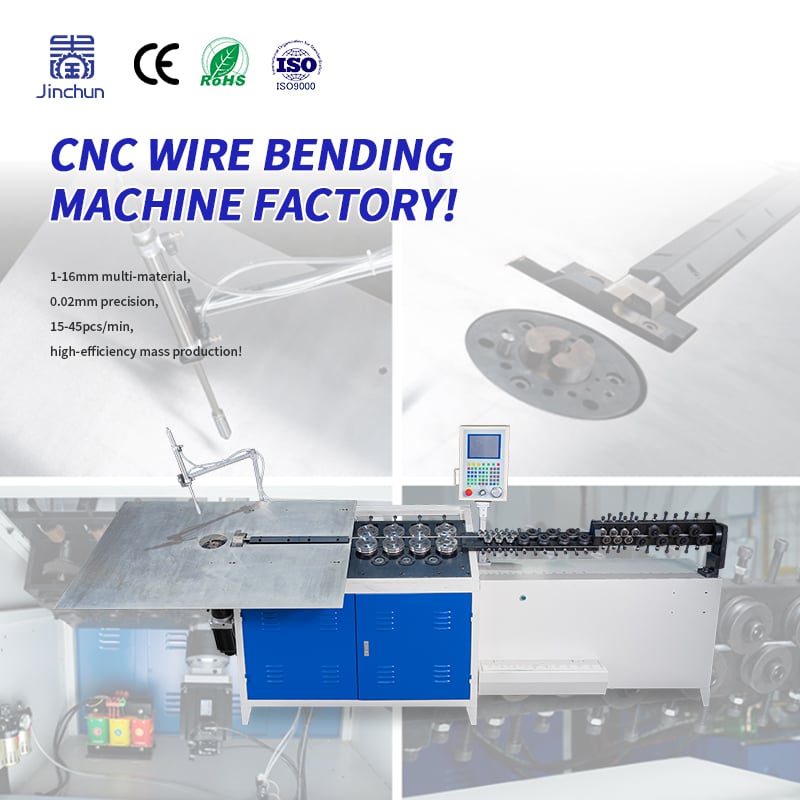
Bending machines are essential assets in metal fabrication, wire forming, and manufacturing operations. Like all industrial equipment, bending machines require consistent, preventive maintenance to operate reliably and maintain their production capacity over many years. Neglecting proper care leads to unexpected breakdowns, costly repairs, reduced output quality, and accelerated component wear. Understanding and implementing the right maintenance strategies for your bending machines can significantly extend their operational lifespan while improving safety and reducing unplanned downtime.
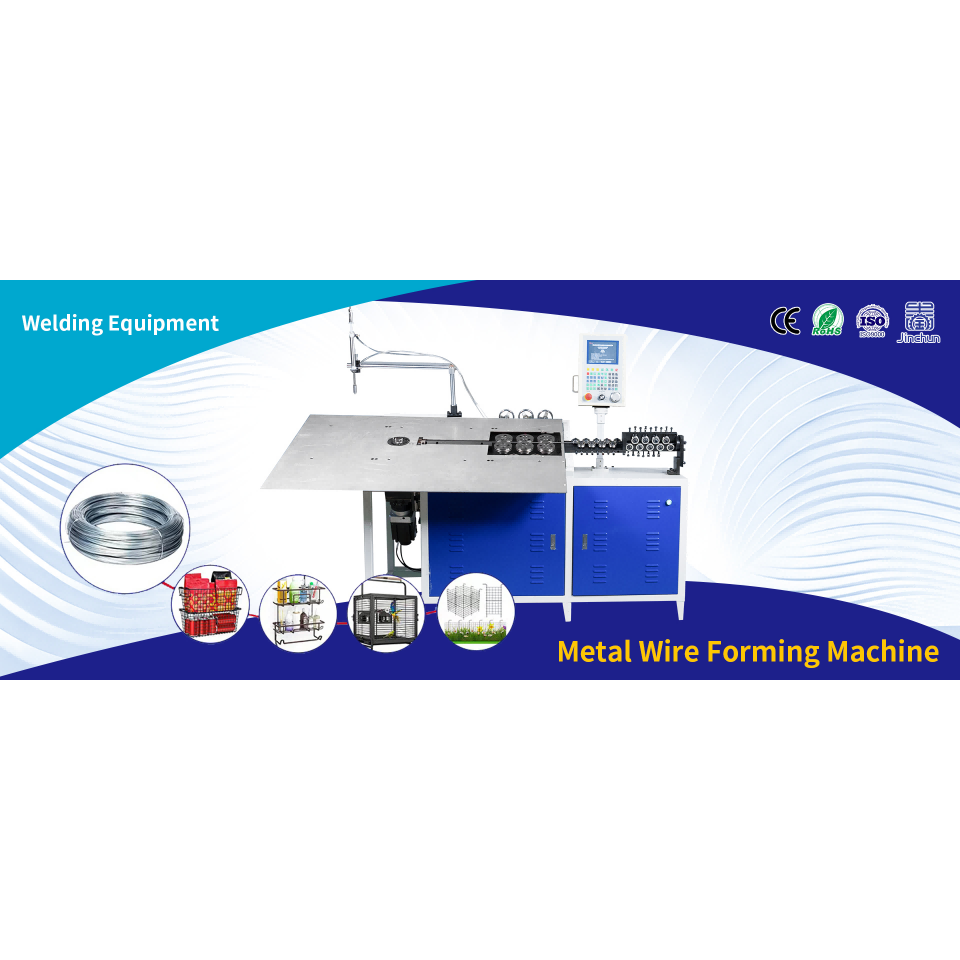
Maintaining bending machines involves more than occasional cleaning. It requires a structured approach that covers lubrication, mechanical inspection, calibration, and operator training. Facilities that follow disciplined maintenance protocols for their bending machines experience fewer emergency repairs, maintain tighter tolerances, and achieve better return on investment. This guide walks you through five essential maintenance tips proven to extend the lifespan of your bending machines and protect your production capabilities.
Regular Lubrication and Oil Management
Understanding Lubrication Needs for Bending Machines
Bending machines operate under significant mechanical stress, with moving components, bearings, and drive systems requiring consistent lubrication. Without proper oil management, friction increases, heat buildup accelerates, and component degradation speeds up dramatically. Bending machines used in high-production environments face even greater lubrication demands because their mechanical systems work continuously. Establishing a lubrication schedule specific to your bending machines model, tonnage, and usage patterns is foundational to preventing premature failure.
Selecting the Right Lubricants
Using manufacturer-recommended oil grades and types is critical for bending machines longevity. Different sections of bending machines—hydraulic systems, spindle bearings, guide rails, and linkages—may require different lubricants tailored to their operating temperatures and pressures. Mixing incompatible oils or using substandard lubricants in your bending machines leads to sludge formation, corrosion, and component seizure. Check your bending machines manual for exact specifications, change intervals, and approved lubricant brands. Maintain a log of every oil change and top-up to track consumption patterns and spot emerging issues early.
Mechanical Inspection and Component Testing
Routine Visual and Tactile Inspections
Visual inspection of your bending machines should happen daily or before every major production run. Look for oil leaks, cracked welds, bent guide rails, loose fasteners, or unusual discoloration on dies and punch components. Listen for grinding noises, squeaks, or irregular vibrations from bending machines during operation. These early warning signs often indicate developing problems that, if addressed quickly, prevent expensive failures. Document observations and create a trending record so maintenance teams can prioritize repairs and predict when replacement parts will be needed for your bending machines.
Testing Hydraulic and Electrical Systems
Bending machines rely on complex hydraulic systems to generate and control bending force. Quarterly testing of hydraulic pressures, fluid cleanliness, and pump performance ensures your bending machines maintain proper functionality. Measure actual system pressure against the machine specifications and investigate any variance. Electrical systems controlling bending machines—including solenoids, relays, and programmable logic controllers—should be tested regularly to verify proper signal routing and response times. Thermal imaging can reveal overheating components in bending machines electrical cabinets before failures occur, allowing preventive maintenance before costly breakdowns.
Die and Punch Maintenance Strategy
Cleaning and Inspection of Bending Machine Dies
Dies and punches are the critical contact points where bending machines shape material. Wire residue, oils, and microparticles accumulate on these surfaces, reducing bend quality and increasing machine stress. After each production batch, your bending machines dies should be cleaned with appropriate solvents and dried completely to prevent rust and buildup. Inspect punch and die surfaces with magnification to detect hairline cracks, edge chipping, or wear patterns. Replace dies and punches when wear exceeds manufacturer tolerance because worn tooling in bending machines causes increased force demand, material marring, and uneven bends that can trigger machine strain sensors.
Proper Storage and Die Rotation
Rotating dies across multiple bending machines jobs and distributing wear extends tooling life significantly. Store spare dies and punches for your bending machines in climate-controlled areas away from moisture to prevent rust and corrosion. Use protective cases or racks specifically designed for die storage to prevent accidental damage. When changing dies in your bending machines, ensure fasteners are torqued to specification and alignment is verified with dial indicators. Improper die installation puts stress on guide systems and hydraulic components, reducing the effective lifespan of both your bending machines and tooling investment.
Calibration, Alignment, and Safety Systems
Maintaining Bending Precision and Machine Alignment
Over time, bending machines guide rails settle, mechanical linkages wear, and dies drift from perfect alignment. Monthly calibration checks using precision gauges and straightedges keep your bending machines producing consistent, accurate bends. Backlash in bending machines mechanical systems increases, leading to tolerance stack-up that ruins finished parts. Use laser alignment tools to verify that punch and die faces remain parallel and square. Address drift immediately because compounding misalignment forces bending machines to work harder, consuming more energy and damaging expensive mechanical components that could otherwise last many years longer.
Testing and Servicing Safety Features
Bending machines safety systems protect operators and prevent catastrophic failures. Guards, emergency stops, pressure relief valves, and load-limiting devices on your bending machines must be tested monthly to ensure they respond correctly under load conditions. Simulate emergency situations in controlled settings to verify that all safety interlocks on your bending machines function as designed. Replace safety components immediately if tests reveal sluggish response or failure to activate. Safety system maintenance for bending machines is not just regulatory compliance—it prevents injuries, protects equipment from damage caused by uncontrolled loading, and demonstrates your facility's commitment to operator welfare.
Operator Training and Documentation
Establishing Standard Operating Procedures
Even perfectly maintained bending machines suffer accelerated wear when operators use improper techniques or overload the equipment beyond design limits. Comprehensive training ensures your team understands how to operate bending machines within specified tonnage ranges, material thickness limits, and duty cycles. Operators trained on your bending machines also notice subtle warning signs—vibrations, sounds, pressure gauge readings—that signal developing problems before they become critical. Create written standard operating procedures specific to each bending machines model in your facility and update them whenever maintenance issues reveal procedural gaps or equipment modifications.
Maintenance Logging and Trend Analysis
Detailed documentation of every maintenance action performed on your bending machines creates a historical record that supports predictive maintenance strategies. Log oil changes, inspections, component replacements, repairs, and any unusual observations. Software systems and spreadsheets tracking maintenance activities on bending machines allow you to identify recurring problems, calculate actual equipment reliability, and justify capital expenditures for upgrades or replacements. Analyzing maintenance trends for your bending machines helps predict when critical components will fail, allowing planned replacement during scheduled downtime rather than emergency repairs that halt production.
FAQ
How often should I change the hydraulic fluid in my bending machines?
Most manufacturers recommend hydraulic fluid changes for bending machines every 2000 to 4000 operating hours or annually, whichever comes first. However, bending machines operating in dusty environments or under continuous heavy loads may require more frequent changes. Check your specific bending machines manual for exact intervals and monitor fluid condition quarterly using particle count testing. Contaminated hydraulic fluid accelerates wear on pump components, directional control valves, and cylinders in bending machines, so more frequent changes may be justified if testing reveals high particulate levels.
What are the signs that my bending machines dies need replacement?
Common indicators that bending machines dies require replacement include visible cracks or edge chipping, inconsistent bend angles despite proper machine calibration, increased machine noise or vibration during bending operations, and bent punch rods that cannot be straightened. If bending machines dies show wear patterns that exceed 10 percent of their original dimensions or if material is marring on finished parts, dies should be replaced immediately. Continuing to use worn dies in bending machines forces the machine to generate more force, causing excessive wear on hydraulic and mechanical systems that could have been avoided with timely die replacement.
Can I extend bending machines lifespan by reducing production volume?
While reduced usage certainly decreases mechanical wear on bending machines, lifespan extension depends more on consistent, preventive maintenance than on production volume alone. Bending machines that sit idle for extended periods can actually suffer corrosion, seal degradation, and fluid contamination. The most effective approach is to maintain proper preventive care regardless of production schedule. Bending machines receiving disciplined maintenance—regular lubrication, inspections, and component replacement—often last 20 to 30 years or more, while neglected machines may fail within 5 to 10 years despite lighter usage.