 EN
EN


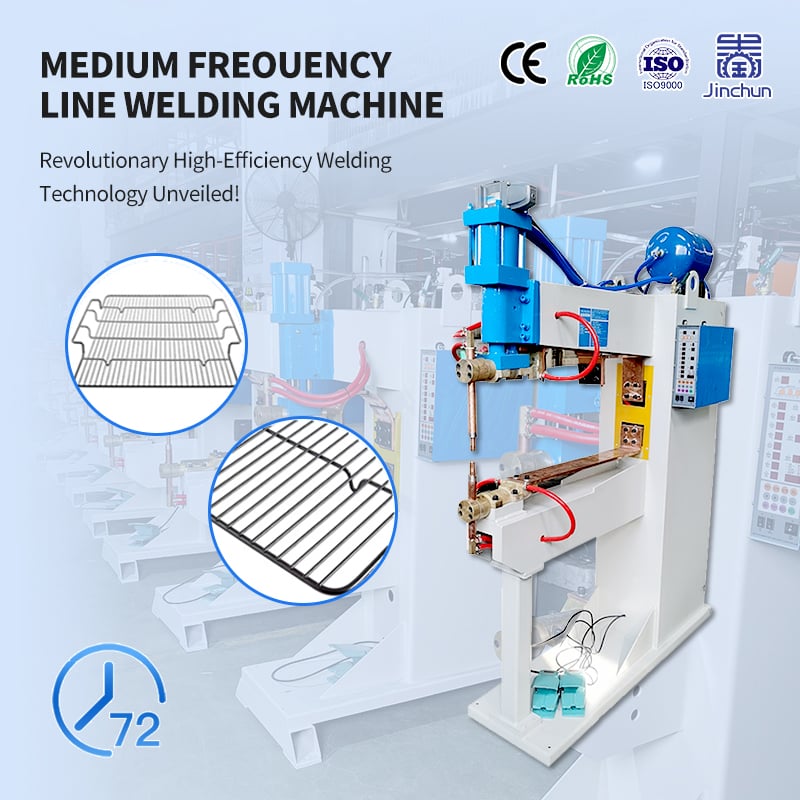
Wire flattening machines represent a critical advancement in metal wire processing technology, fundamentally transforming how industries handle round wire conversion and dimensional modification. These specialized bending machines serve manufacturers across diverse sectors who require precise wire shaping, consistent flat profiles, and reliable quality output. Understanding the applications and benefits of wire flattening equipment is essential for production managers, purchasing professionals, and engineering teams seeking to optimize their metal processing operations and reduce waste while improving product quality.
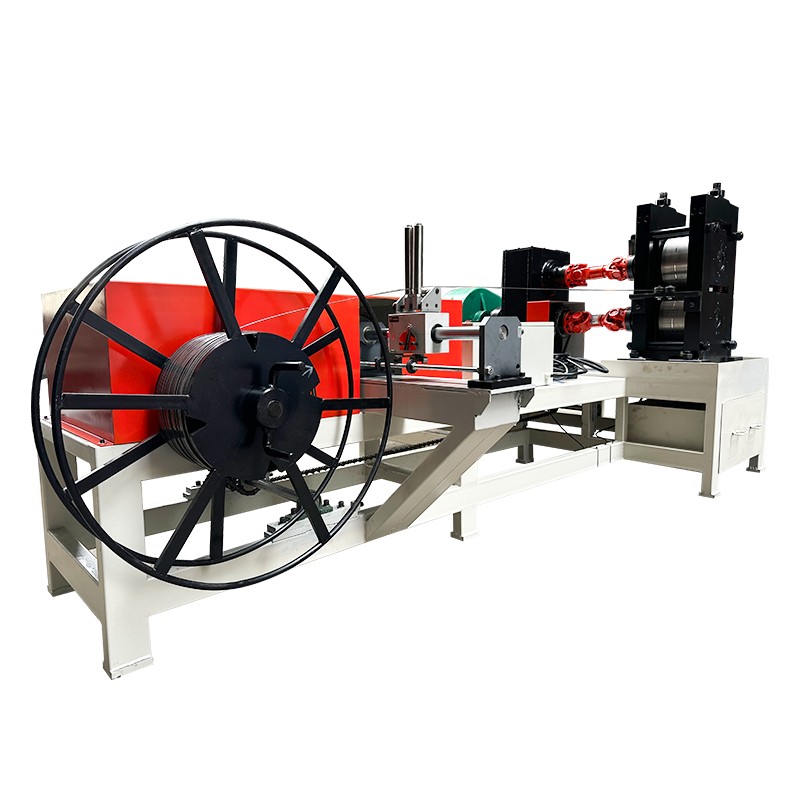
Modern Bending Machines have become indispensable for manufacturers working with stainless steel, iron, copper, and aluminum wire. These advanced machines deliver consistent dimensional accuracy, reduce labor-intensive manual operations, and enable rapid production cycles that meet demanding market timelines. The integration of sophisticated straightening and cutting functions within modern equipment demonstrates how bending machines have evolved to address multiple processing needs within a single integrated system.
Core Applications of Wire Flattening and Bending Equipment
Metal Wire Transformation in Manufacturing
Wire flattening machines excel at converting round wire into flat or square profiles with exceptional precision. Industrial manufacturers rely on bending machines to process raw round wire stock into dimensional specifications that feeding systems, fasteners, connectors, and shaped metal components demand. The versatility of modern bending machines allows production of various wire geometries, from basic flat strips to complex curved profiles, enabling manufacturers to serve multiple customer requirements from a single production line.
Precision Profile Generation and Consistency
Achieving consistent cross-sectional profiles across entire production batches is a fundamental requirement that bending machines address effectively. These machines maintain tight tolerances throughout extended production runs, ensuring that each wire piece meets exact dimensional requirements without variance. The precision capabilities of bending machines eliminate the quality inconsistencies associated with manual shaping methods, resulting in finished products that satisfy stringent customer specifications and regulatory compliance standards.
Manufacturing and Industrial Benefits
Enhanced Production Efficiency and Speed
Wire flattening machines dramatically accelerate production throughput compared to manual methods, enabling manufacturers to process significantly larger volumes within fixed time periods. Bending machines equipped with automated feeds, straightening capabilities, and integrated cutting functions substantially reduce cycle times per piece. This efficiency translates directly into lower production costs per unit, increased revenue capacity, and improved competitiveness within markets where speed to delivery is a critical purchasing factor.
Material Waste Reduction and Cost Control
Precision shaping through bending machines minimizes scrap and material waste that occurs with less accurate methods. Modern wire flattening equipment provides exact dimensional control, ensuring that each wire segment meets specification without excess material requiring trimming or rework. The efficient material utilization enabled by bending machines directly improves gross margins on produced units, reduces raw material consumption, and supports sustainability objectives that increasingly influence corporate procurement decisions and investor expectations.
Labor Efficiency and Operator Safety
Automated bending machines reduce reliance on labor-intensive manual shaping, allowing operators to manage machine operation rather than performing repetitive physical shaping tasks. This shift improves workplace ergonomics, reduces repetitive strain injuries, and addresses labor scarcity challenges that many manufacturing facilities currently face. The operator oversight model enabled by bending machines allows smaller teams to maintain higher output levels, improving overall facility productivity and supporting stable long-term employment structures.
Versatility Across Industries and Applications
Multi-Material Compatibility and Flexibility
Industrial wire flattening machines handle diverse material types including stainless steel, carbon steel, aluminum, and copper wire, making them valuable assets in multi-product manufacturing environments. Bending machines designed for flexible processing accommodate varying wire diameters and material hardness levels, enabling manufacturers to pivot production between different customer orders without extensive equipment modification or changeover time. This flexibility allows manufacturers to optimize equipment utilization across diverse projects while maintaining consistent quality standards.
Application Range in Specialized Industries
Wire flattening equipment serves critical roles in industries spanning automotive fastening, electrical contacts, wire form components, sheet metal stamping, and spring manufacturing. Bending machines enable production of shaped wire used in decorative applications, furniture hardware, construction materials, and specialized industrial components. The broad applicability of wire flattening technology creates sustainable market demand and ensures continued relevance as manufacturing technologies evolve and customer requirements expand.
FAQ
How do wire flattening machines improve product consistency compared to manual shaping?
Wire flattening machines deliver superior consistency through precise mechanical control of shaping forces, exact dimensional measurement, and automated feedback systems that maintain specifications throughout production runs. Bending machines eliminate human variability inherent in manual methods, ensuring every wire piece meets identical dimensional requirements. This machine-driven consistency results in finished products that exceed customer quality expectations and reduce costly rework or rejection rates.
What materials can modern bending machines effectively process?
Contemporary wire flattening machines accommodate a broad material range including stainless steel, carbon steel, aluminum, copper, brass, and specialty alloys across varying hardness grades and diameter ranges. Bending machines can be configured with different roller sets and pressure adjustments to optimize performance for specific material properties. This versatility allows manufacturers to maintain single equipment platforms while serving diverse material processing requirements, reducing capital investment and facility space requirements.
What return on investment timeline can manufacturers expect from wire flattening equipment?
Typical manufacturers achieve positive return on investment within twelve to twenty-four months through combined benefits of increased production volume, reduced labor costs, minimized material waste, and improved product quality that commands premium pricing. Bending machines that integrate straightening and cutting functions provide additional cost advantages through consolidated equipment needs. The exact payback timeline depends on production volumes, material costs, labor rates, and current production methods, but the efficiency gains typically justify investment relatively quickly in active manufacturing operations.