 EN
EN


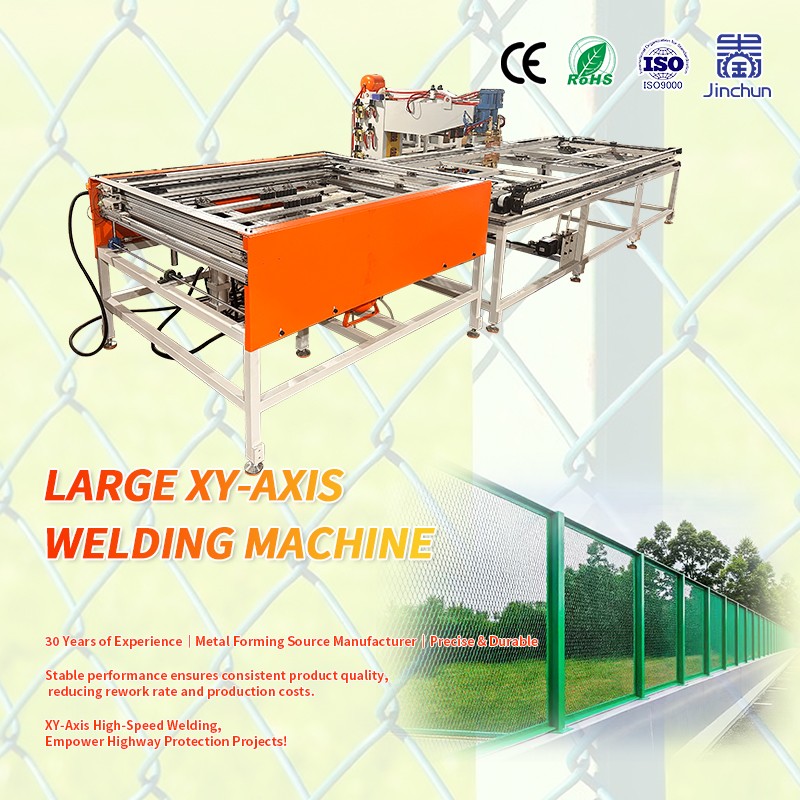
Storage rack manufacturing demands precision welding solutions that can handle complex geometric patterns while maintaining consistent quality across high-volume production runs. Medium-frequency XY welding machines have emerged as the preferred technology for manufacturers seeking to optimize their storage rack production processes, offering superior control over heat input and distortion compared to traditional welding methods.
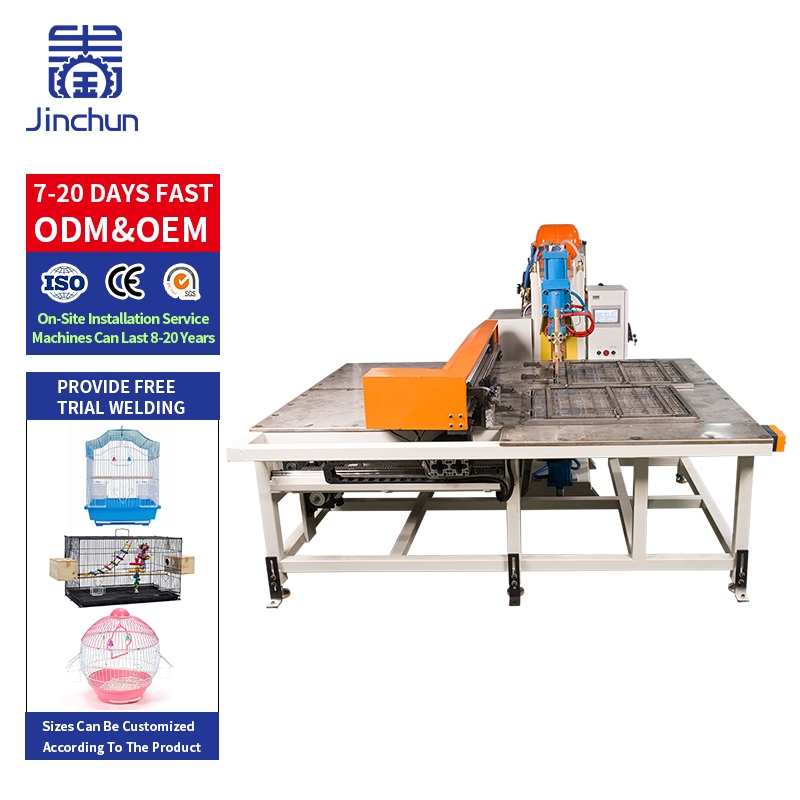
The integration of medium-frequency technology with automated XY axis positioning systems creates a powerful combination for storage rack fabrication, enabling manufacturers to achieve consistent weld quality while reducing labor costs and production time. These specialized welding systems are particularly effective for processing the wire mesh components, structural frames, and connecting joints that form the backbone of modern storage rack assemblies.
Medium-Frequency Technology Advantages in Storage Rack Production
Enhanced Heat Control for Structural Components
Medium-frequency welding technology operates at frequencies between 1000 to 10000 Hz, providing superior heat control compared to line-frequency alternatives. This precise heat management is crucial for storage rack manufacturing, where maintaining structural integrity while minimizing distortion determines the final product quality. The controlled heat input prevents warping in thin-gauge materials commonly used in rack construction, ensuring dimensional accuracy across the entire assembly.
Storage rack components often feature varying material thicknesses within the same weldment, from heavy-duty structural frames to delicate wire mesh panels. Medium-frequency systems excel in these applications by allowing operators to fine-tune heat distribution based on material characteristics and joint requirements. This adaptability reduces the need for post-weld straightening operations and improves overall production efficiency.
The consistent arc characteristics of medium-frequency welding also contribute to improved penetration control, essential for creating strong joints in storage rack assemblies that must withstand significant loading forces during operation. This technology enables manufacturers to achieve full penetration welds without excessive heat input, preserving the mechanical properties of the base materials.
Productivity Benefits in High-Volume Manufacturing
Medium-frequency welding systems demonstrate significant productivity advantages in storage rack manufacturing environments where cycle time reduction directly impacts profitability. The stable arc characteristics and reduced spatter generation minimize the need for post-weld cleanup operations, allowing continuous production without frequent interruptions for maintenance or quality correction.
The improved electrode life associated with medium-frequency technology translates to reduced changeover time and lower consumable costs in high-volume storage rack production. Electrode tips maintain their geometry longer under medium-frequency operation, resulting in more consistent weld quality throughout extended production runs and reduced operator intervention requirements.
Energy efficiency improvements inherent in medium-frequency systems also contribute to overall cost reduction in storage rack manufacturing facilities. The optimized power delivery reduces electrical consumption while maintaining weld quality, supporting sustainable manufacturing practices and improving the bottom-line economics of storage rack production operations.
XY Axis Automation for Storage Rack Manufacturing
Precision Positioning for Complex Geometries
Storage rack assemblies feature intricate geometric patterns that require precise electrode positioning to achieve consistent weld quality across multiple joints. XY axis automation systems provide the accuracy needed to maintain proper electrode alignment and pressure distribution, ensuring uniform weld characteristics regardless of component orientation or joint accessibility.
The programmable nature of XY positioning systems allows manufacturers to adapt quickly to different storage rack designs without extensive retooling or operator retraining. This flexibility is particularly valuable in facilities producing multiple rack configurations or serving diverse customer requirements, where changeover efficiency directly impacts production scheduling and delivery performance.
Advanced XY automation systems incorporate feedback mechanisms that monitor electrode position and pressure in real-time, automatically compensating for material variations or thermal expansion during the welding process. This adaptive capability ensures consistent joint quality even when processing materials with dimensional tolerances typical in storage rack manufacturing supply chains.
Integration with Wire Mesh Processing
Wire mesh components represent a significant portion of modern storage rack designs, requiring specialized welding approaches that accommodate the unique characteristics of intersecting wire patterns. Double-Layer XY Axis Welding Machine systems excel in these applications by providing precise control over electrode movement and pressure application at each wire intersection.
The automated sequencing capabilities of XY welding systems enable optimized weld patterns that minimize heat accumulation and distortion in wire mesh assemblies. This systematic approach ensures consistent joint strength throughout the mesh structure while maintaining the dimensional stability required for proper rack function and appearance.
Integration with vision systems and quality monitoring equipment allows XY welding machines to adapt automatically to variations in wire positioning or diameter, maintaining consistent weld quality even when processing wire mesh components from different suppliers or production batches. This adaptability reduces quality-related downtime and supports lean manufacturing principles in storage rack production.
Material Considerations for Storage Rack Welding
Steel Grade Selection and Weldability
Storage rack manufacturing typically involves various steel grades ranging from low-carbon structural steels to high-strength alloys, each requiring specific welding parameters for optimal joint performance. Medium-frequency XY welding machines provide the parameter range and control precision needed to accommodate these diverse material requirements within a single production system.
The consistent heat input characteristics of medium-frequency technology prove particularly beneficial when welding galvanized or coated steels commonly used in storage rack applications. These materials require careful heat management to prevent coating degradation while achieving adequate joint strength, a balance that medium-frequency systems maintain effectively through precise power control.
Double-Layer XY Axis Welding Machine configurations enable simultaneous processing of multiple material combinations within the same rack assembly, reducing setup time and improving production flow. This capability is essential in facilities producing storage racks with integrated accessories or reinforcement elements that may utilize different steel grades or coating systems.
Surface Preparation and Quality Assurance
Effective surface preparation plays a critical role in achieving consistent weld quality in storage rack manufacturing, particularly when processing materials with protective coatings or surface treatments. Medium-frequency welding systems demonstrate improved tolerance for surface contamination compared to conventional technologies, reducing the need for extensive pre-weld cleaning operations.
The stable arc characteristics of medium-frequency technology enable better penetration through oxide layers and light contamination, improving process reliability when working with materials that may have been stored in warehouse environments. This tolerance reduces quality variability and supports continuous production flow without frequent interruptions for surface preparation activities.
Quality assurance protocols for storage rack welding benefit from the consistent weld appearance and mechanical properties achieved through medium-frequency technology. The reduced variability in weld characteristics simplifies inspection procedures and enables more reliable non-destructive testing methods, supporting quality certification requirements for storage rack applications.
Production Line Integration and Workflow Optimization
Automated Material Handling Integration
Modern storage rack manufacturing requires seamless integration between welding systems and material handling equipment to maintain production efficiency and quality consistency. XY welding machines designed for storage rack applications incorporate standardized interfaces that facilitate connection with conveyor systems, robotic handling equipment, and automated loading mechanisms.
The programmable positioning capabilities of Double-Layer XY Axis Welding Machine systems enable synchronization with upstream and downstream production equipment, creating smooth workflow transitions that minimize work-in-process inventory and reduce handling damage risks. This integration supports lean manufacturing principles and improves overall equipment effectiveness in storage rack production facilities.
Advanced production line integration includes real-time communication between welding systems and enterprise resource planning software, enabling automatic production scheduling optimization and quality data collection. This connectivity supports predictive maintenance programs and continuous process improvement initiatives in storage rack manufacturing environments.
Quality Control and Process Monitoring
Integrated quality control systems within XY welding machines provide real-time monitoring of critical welding parameters, enabling immediate detection and correction of process variations before they impact product quality. This proactive approach reduces scrap rates and rework requirements in storage rack manufacturing, improving overall production efficiency and customer satisfaction.
Data logging capabilities inherent in modern welding control systems create comprehensive production records that support quality certification and traceability requirements for storage rack applications. This documentation proves particularly valuable for manufacturers serving regulated industries or customers with specific quality assurance requirements.
Statistical process control integration allows manufacturers to identify trends and optimize welding parameters continuously, supporting ongoing improvement initiatives and maintaining competitive advantage in storage rack markets. The detailed process data enables evidence-based decision making for equipment upgrades and production optimization projects.
FAQ
What makes medium-frequency welding particularly suitable for storage rack manufacturing compared to standard AC welding?
Medium-frequency welding offers superior heat control and reduced distortion, which are critical for maintaining the dimensional accuracy required in storage rack assemblies. The consistent arc characteristics minimize spatter and improve electrode life, reducing production interruptions and maintaining quality consistency across high-volume manufacturing runs. This technology also provides better penetration control for the varying material thicknesses commonly found in storage rack components.
How does XY axis automation improve efficiency in wire mesh welding for storage racks?
XY automation systems provide precise positioning and consistent pressure application at each wire intersection, ensuring uniform weld quality throughout the mesh structure. The programmable sequencing optimizes weld patterns to minimize heat accumulation and distortion while accommodating different mesh configurations without extensive retooling. This automation reduces labor requirements and enables continuous production with minimal operator intervention.
Can Double-Layer XY Axis Welding Machine systems handle different steel grades within the same storage rack assembly?
Yes, these advanced welding systems provide the parameter range and control precision needed to accommodate various steel grades within a single production setup. The programmable control systems can automatically adjust welding parameters based on material identification, enabling manufacturers to produce storage racks with mixed materials or reinforcement elements without manual parameter changes or extended setup times.
What maintenance requirements should be expected for medium-frequency XY welding systems in storage rack production?
Medium-frequency XY welding systems require regular inspection of electrode condition, positioning accuracy calibration, and control system updates. The improved electrode life associated with medium-frequency technology reduces maintenance frequency compared to conventional systems. Preventive maintenance schedules typically include lubrication of mechanical components, electrical connection inspection, and software backup procedures to ensure continuous production capability and maintain quality consistency.
Table of Contents
- Medium-Frequency Technology Advantages in Storage Rack Production
- XY Axis Automation for Storage Rack Manufacturing
- Material Considerations for Storage Rack Welding
- Production Line Integration and Workflow Optimization
-
FAQ
- What makes medium-frequency welding particularly suitable for storage rack manufacturing compared to standard AC welding?
- How does XY axis automation improve efficiency in wire mesh welding for storage racks?
- Can Double-Layer XY Axis Welding Machine systems handle different steel grades within the same storage rack assembly?
- What maintenance requirements should be expected for medium-frequency XY welding systems in storage rack production?