 EN
EN


Introduction
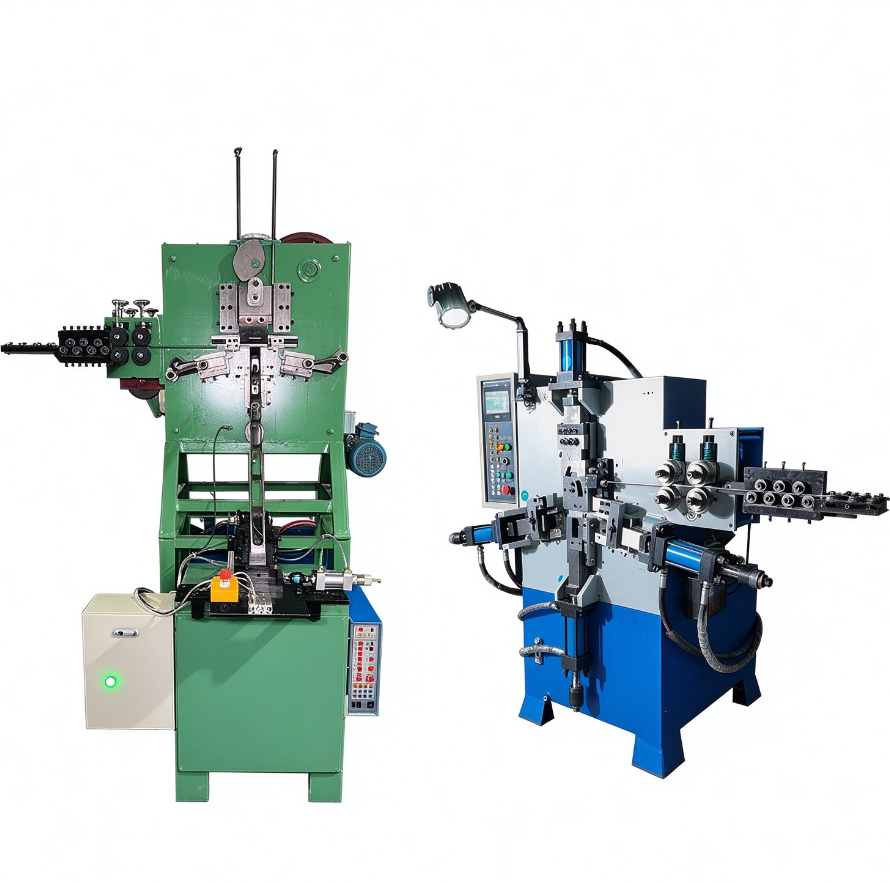
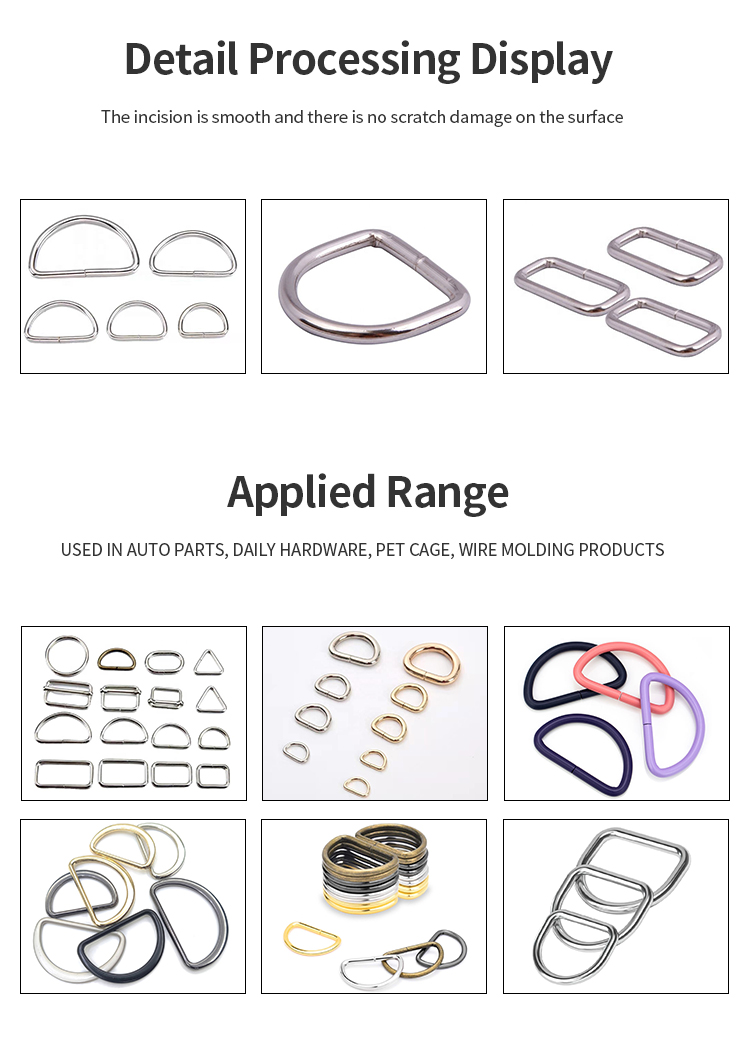
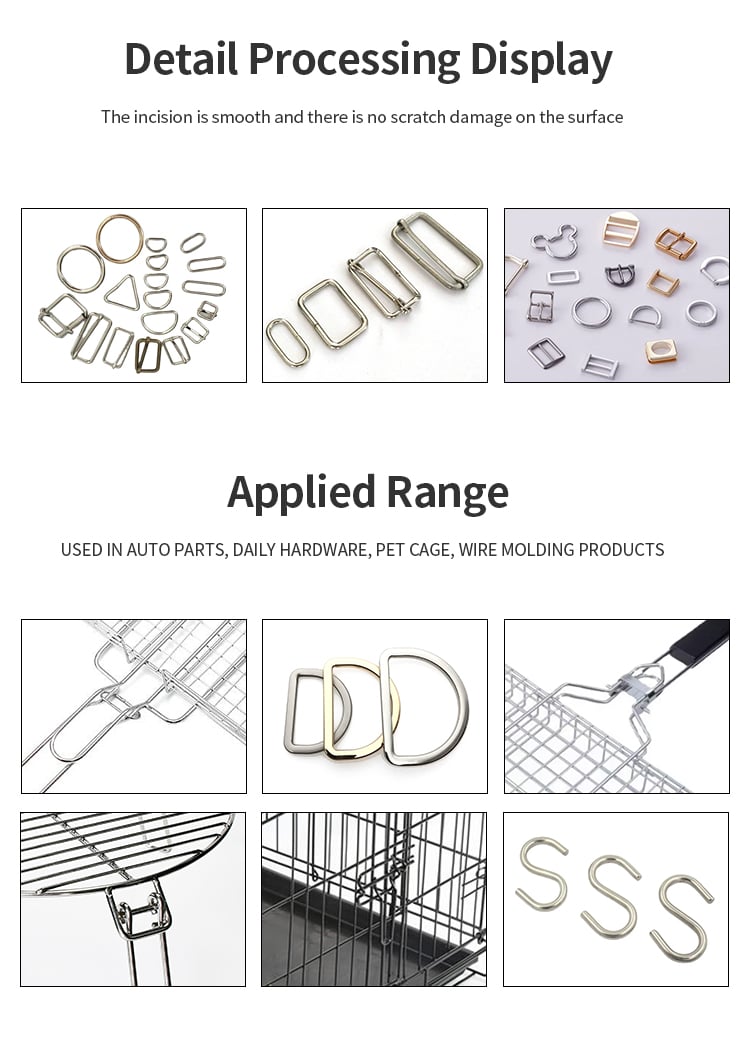
A wire buckle machine should be selected around the finished D-ring or S-hook drawing and the required production volume.
For manufacturers producing bag hardware, hooks and fasteners, choosing the correct forming solution requires understanding product geometry, material characteristics and production requirements.
When selecting equipment, customers should first confirm the inner size, bending radius, opening direction and end position of the products. Different shapes require different tooling designs.
Wire material and diameter also influence forming results. Carbon steel, stainless steel and other materials have different spring-back characteristics, so actual sample testing is important.
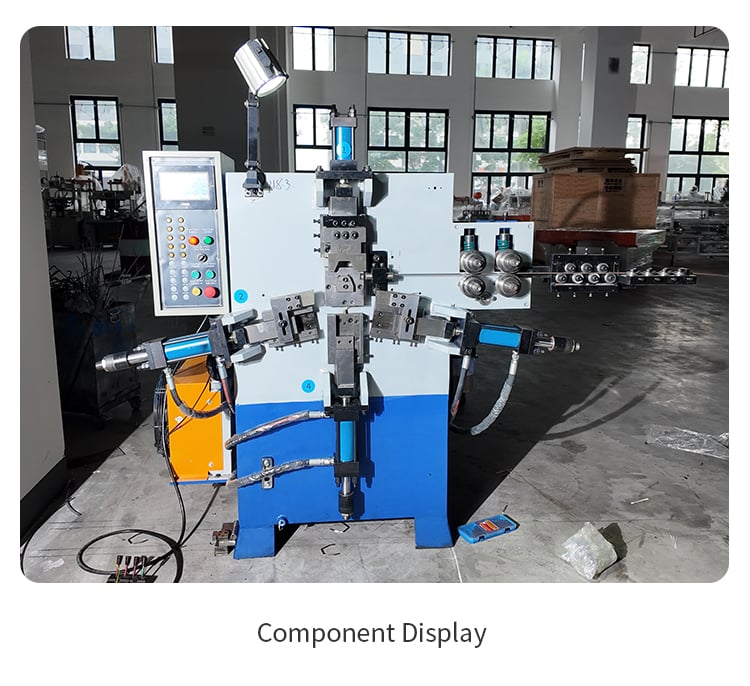
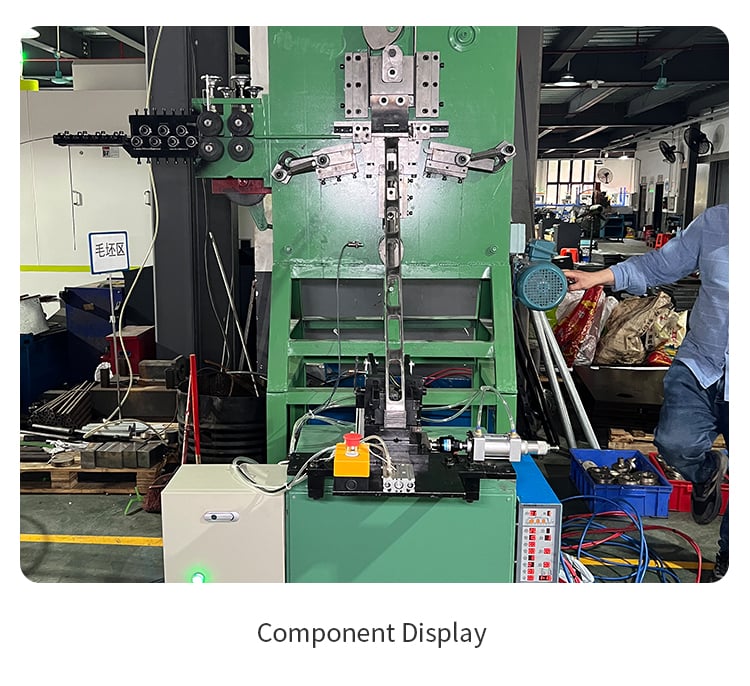
A wire buckle forming machine combines feeding, cutting and bending with tooling matched to the intended shape.
For prodution planning, customers should prepare drawings, material information, wire diameter, output requirements and automation expectations.
To confirm tooling and production requirements, contact Jinchun with your drawing and sample.
1. D-Ring and S-Hook Geometry
This section explains the key factors manufacturers should consider when selecting equipment, including product design, material characteristics, process stability and sample verification.
2. Wire Material and Diameter
This section explains the key factors manufacturers should consider when selecting equipment, including product design, material characteristics, process stability and sample verification.
3. Feeding Cutting and Bending
This section explains the key factors manufacturers should consider when selecting equipment, including product design, material characteristics, process stability and sample verification.
4. Open Ends and Closed Joints
This section explains the key factors manufacturers should consider when selecting equipment, including product design, material characteristics, process stability and sample verification.
5. Tooling and Changeover
This section explains the key factors manufacturers should consider when selecting equipment, including product design, material characteristics, process stability and sample verification.
6. Sample Inspection
This section explains the key factors manufacturers should consider when selecting equipment, including product design, material characteristics, process stability and sample verification.
7. Quotation Checklist
This section explains the key factors manufacturers should consider when selecting equipment, including product design, material characteristics, process stability and sample verification.
Conclusion
To confirm tooling and production requirements, contact Jinchun with your drawing and sample.