 EN
EN


Introduction
A wire rolling mill must be configured for the incoming material and the required finished cross-section.
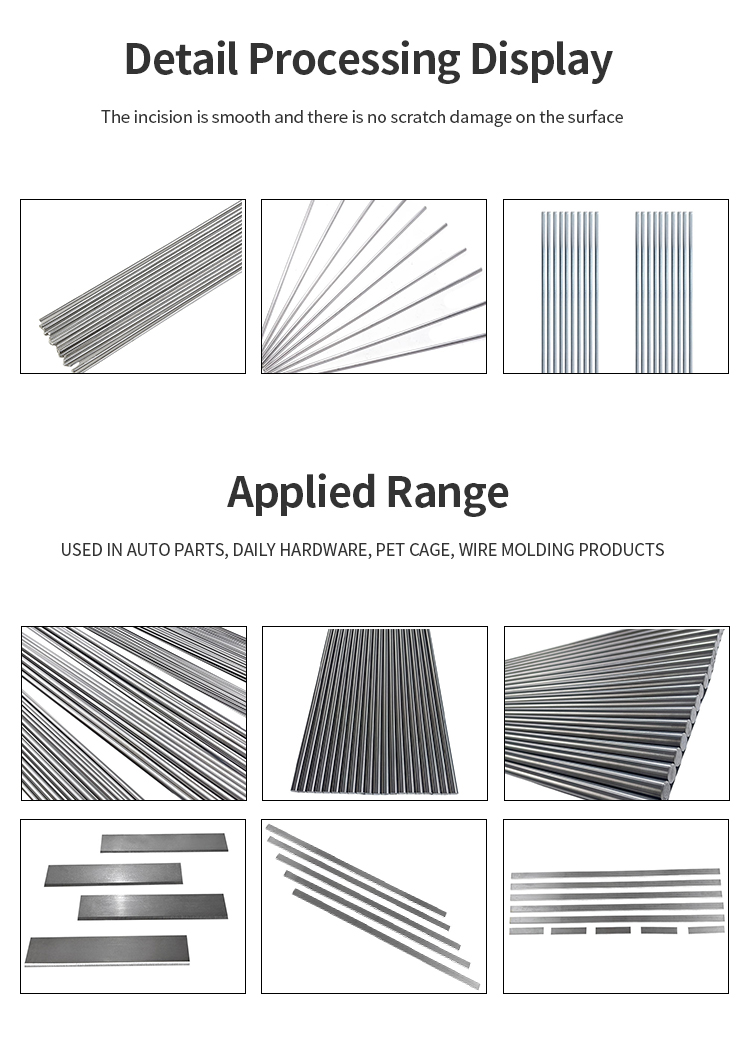
Producing flat wire from round wire requires stable control of width, thickness and surface quality. The target profile should be confirmed before selecting the rolling process.
Incoming wire condition, material hardness and surface condition influence the final result. Roll gap and reduction strategy should be confirmed through sample trials.
Feeding alignment and tension control help prevent uneven thickness and side movement.
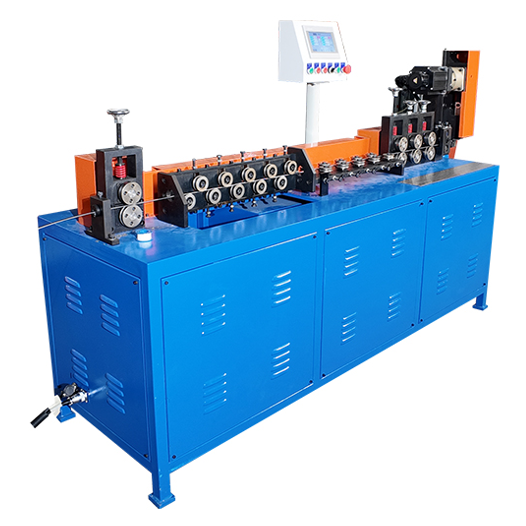
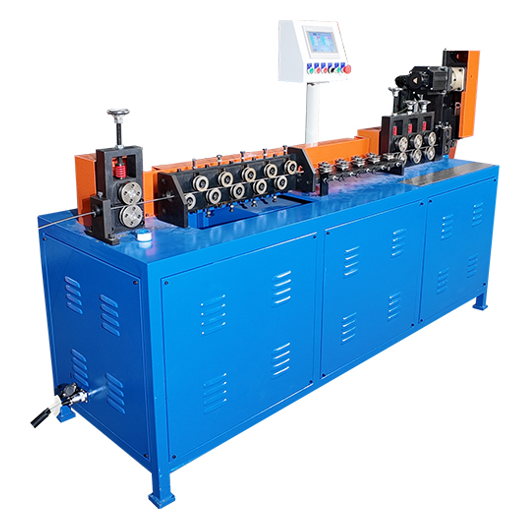
A straightening machine may be required after rolling when the downstream process needs straight cut lengths.
For a sample-based review of the target wire profile, contact Jinchun with material and tolerance details.
1. Define the Target Wire Profile
This section explains the key factors manufacturers should consider when selecting equipment, including product design, material characteristics, process stability and sample verification.
2. Incoming Wire Condition
This section explains the key factors manufacturers should consider when selecting equipment, including product design, material characteristics, process stability and sample verification.
3. Roll Gap and Reduction Strategy
This section explains the key factors manufacturers should consider when selecting equipment, including product design, material characteristics, process stability and sample verification.
4. Feeding Alignment and Tension
This section explains the key factors manufacturers should consider when selecting equipment, including product design, material characteristics, process stability and sample verification.
5. Surface Marks and Edge Condition
This section explains the key factors manufacturers should consider when selecting equipment, including product design, material characteristics, process stability and sample verification.
6. Measuring Width and Thickness
This section explains the key factors manufacturers should consider when selecting equipment, including product design, material characteristics, process stability and sample verification.
7. Downstream Straightening and Cutting
This section explains the key factors manufacturers should consider when selecting equipment, including product design, material characteristics, process stability and sample verification.
Conclusion
For a sample-based review of the target wire profile, contact Jinchun with material and tolerance details.