 EN
EN


Introduction
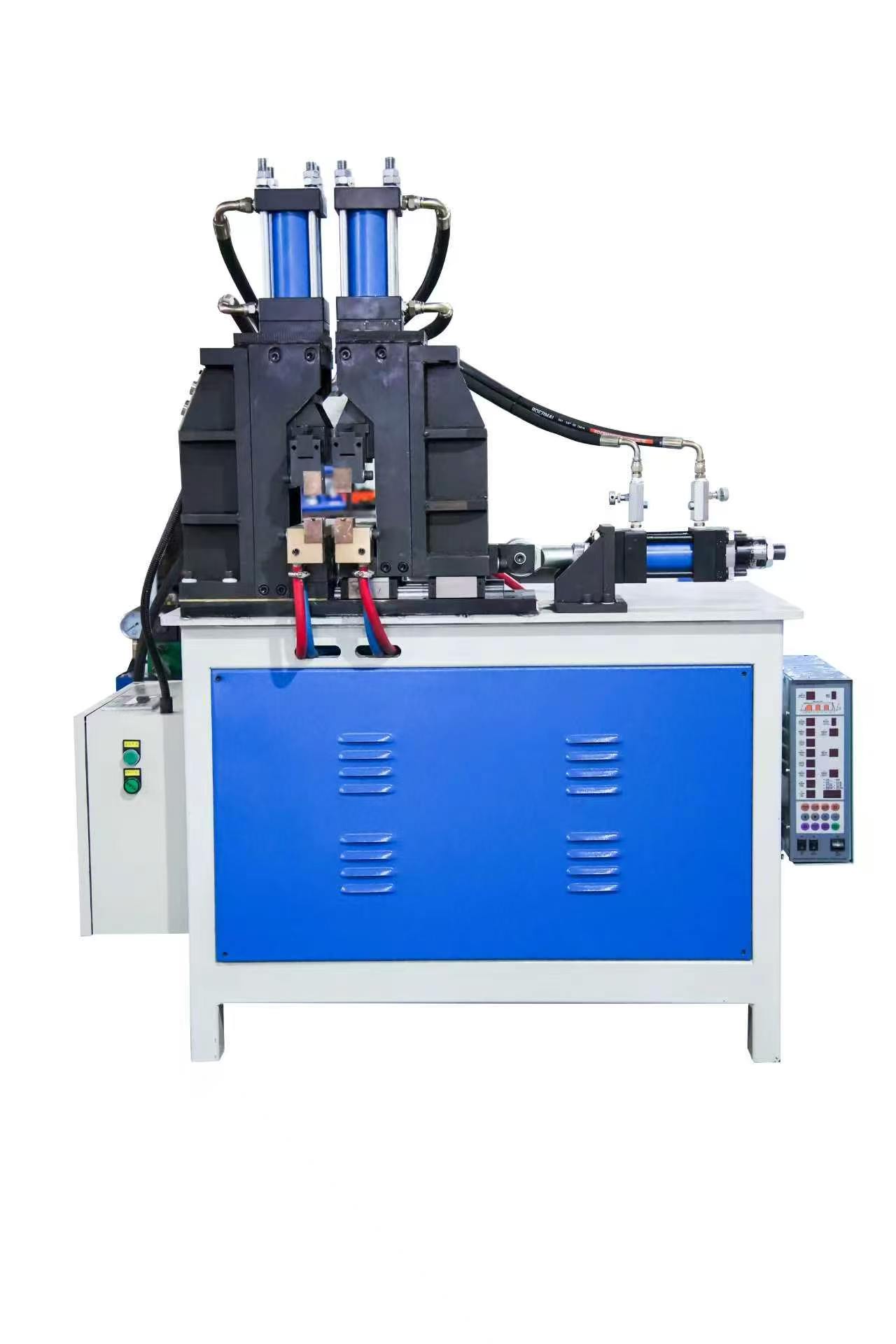
Two machines may both be called a hydraulic press but require very different configurations when one forms a small wire component and the other shapes a large welded mesh panel. Tonnage matters, but it is only one part of the selection. Product size, material strength, forming depth, tooling, table area, stroke, daylight, loading method and safety controls all affect whether the press can perform the real process reliably.
1. Common Operations in Wire Product Factories
A hydraulic press can be used for forming, pressing, punching, edge forming, sizing and die-based operations on wire products and metal frames. In cage and mesh factories, it may shape a welded panel into a three-dimensional part, correct a frame, press local features or work with dedicated dies. The first step is to define exactly what the hydraulic press must do to the part before discussing machine size.
2. Tonnage Is Only the Starting Point
Required force depends on more than the overall product dimensions. Material grade and strength, wire or bar section, number of wires being formed at the same time, bend radius, forming depth, die contact area and process sequence all influence the load. A press with a high nominal tonnage can still be unsuitable if the table is too small, the stroke is insufficient or the frame cannot accommodate the die and workpiece.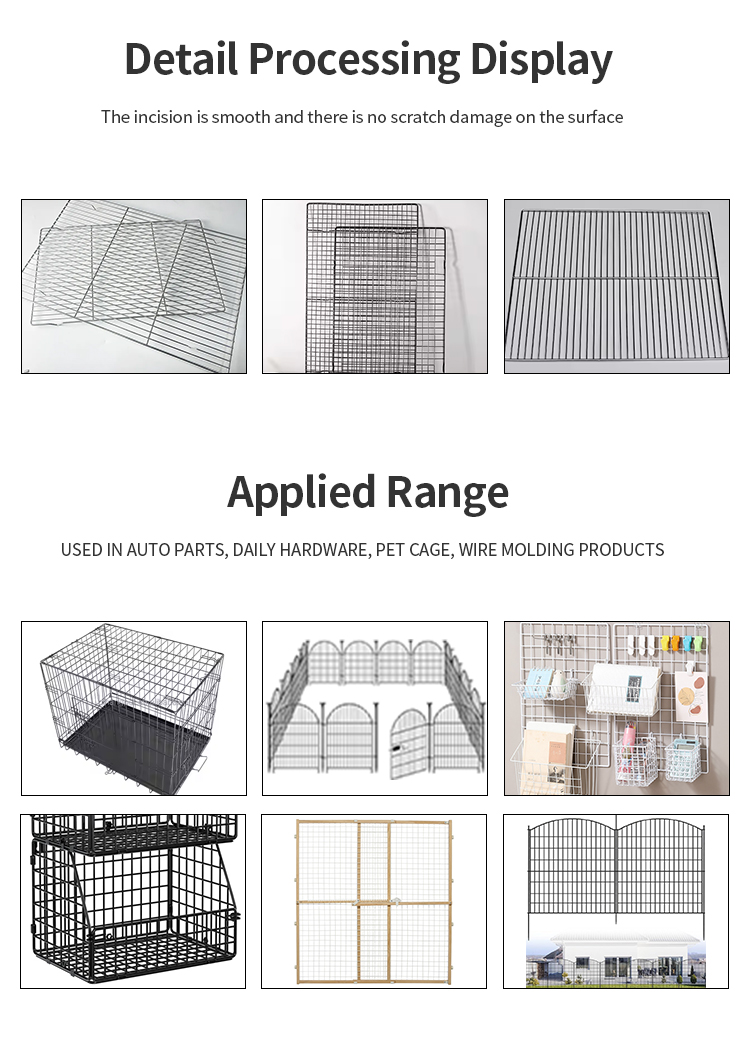
3. Working Table, Stroke and Daylight
The working table must support the die and allow the product to be positioned safely. Stroke determines how far the moving platen can travel during the cycle, while daylight—the available opening between working surfaces—must accommodate the die height, workpiece and loading clearance. Large wire mesh or cage components often need generous open space even when the required forming force is moderate. These dimensions should be checked from the actual tooling concept.
4. Tooling and Product Geometry
Tooling changes significantly between flat mesh, curved cage panels, circular frames and irregular metal structures. A hydraulic press for metal mesh and cage production may use matched upper and lower dies, locating blocks and supports to control shape and springback. The die should locate the welded structure without damaging weld points or creating unwanted marks. For products with several radii or local features, the process may need multiple forming stages rather than one deep press.
5. Manual Loading or Integrated Production
For small batches, manual loading and unloading may be the most practical arrangement. For higher-volume production, the press can be considered as part of a pet cage production line or another production cell, with transfer tables, conveyors or automated handling between stations. Integration should be planned around cycle time, product orientation and buffer requirements. Automating one press does not help if the previous or next station cannot match its output.
6. Safety and Process Control
Press safety should be designed around the loading method and access to the die area. Common controls can include two-hand operation, light curtains, guards, emergency stops and controlled pressure or stroke settings. The correct solution depends on the machine design and local safety requirements. Process control should also make it easy to reproduce approved pressure, stroke and dwell settings for repeat production.
7. Sample Trial and Acceptance
A sample trial should check more than whether the part can be formed once. Measure the final dimensions and geometry, observe springback, inspect the surface and weld points, record cycle time and repeat the process over multiple samples. If a dedicated die is used, check loading convenience, part release and wear points. Acceptance criteria should include the product tolerances that matter to downstream assembly.
8. Information Needed for a Quote
Provide the product drawing, material grade, wire diameter or bar section, welded-mesh dimensions, required forming operation, target shape after pressing, tolerance, expected output, available factory power and space, and whether tooling is already available. Photos or videos of the current manual process are especially helpful. If the press must connect with other equipment, include the upstream and downstream process description.
Conclusion
The correct press should be derived from the product and process: required force, table size, stroke, daylight, tooling and automation level should work together. Jinchun’s production line solutions combine forming, welding and supporting equipment for wire products, so a press can be evaluated as a standalone machine or as part of a larger manufacturing flow.
Table of Contents
- Introduction
- 1. Common Operations in Wire Product Factories
- 2. Tonnage Is Only the Starting Point
- 3. Working Table, Stroke and Daylight
- 4. Tooling and Product Geometry
- 5. Manual Loading or Integrated Production
- 6. Safety and Process Control
- 7. Sample Trial and Acceptance
- 8. Information Needed for a Quote
- Conclusion