EN
EN


Introduction
T-joints are common in wire shelves and rack frames, but they can become a production bottleneck when operators must position each support, hold the frame, weld one point, reposition the workpiece and repeat the cycle. The result may be inconsistent center distance, uneven weld appearance and high dependence on operator skill. Automatic wire welding machines with dedicated fixtures can reduce these repeated positioning steps and make the welding sequence more repeatable.
1. What a Double-Head T-Welding Machine Does
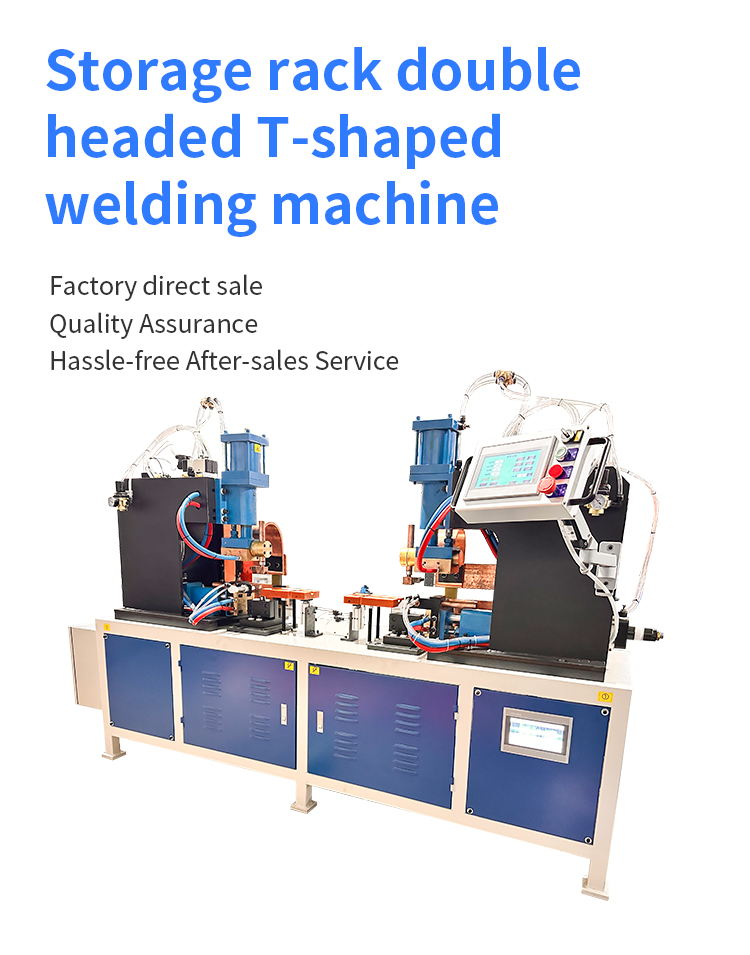
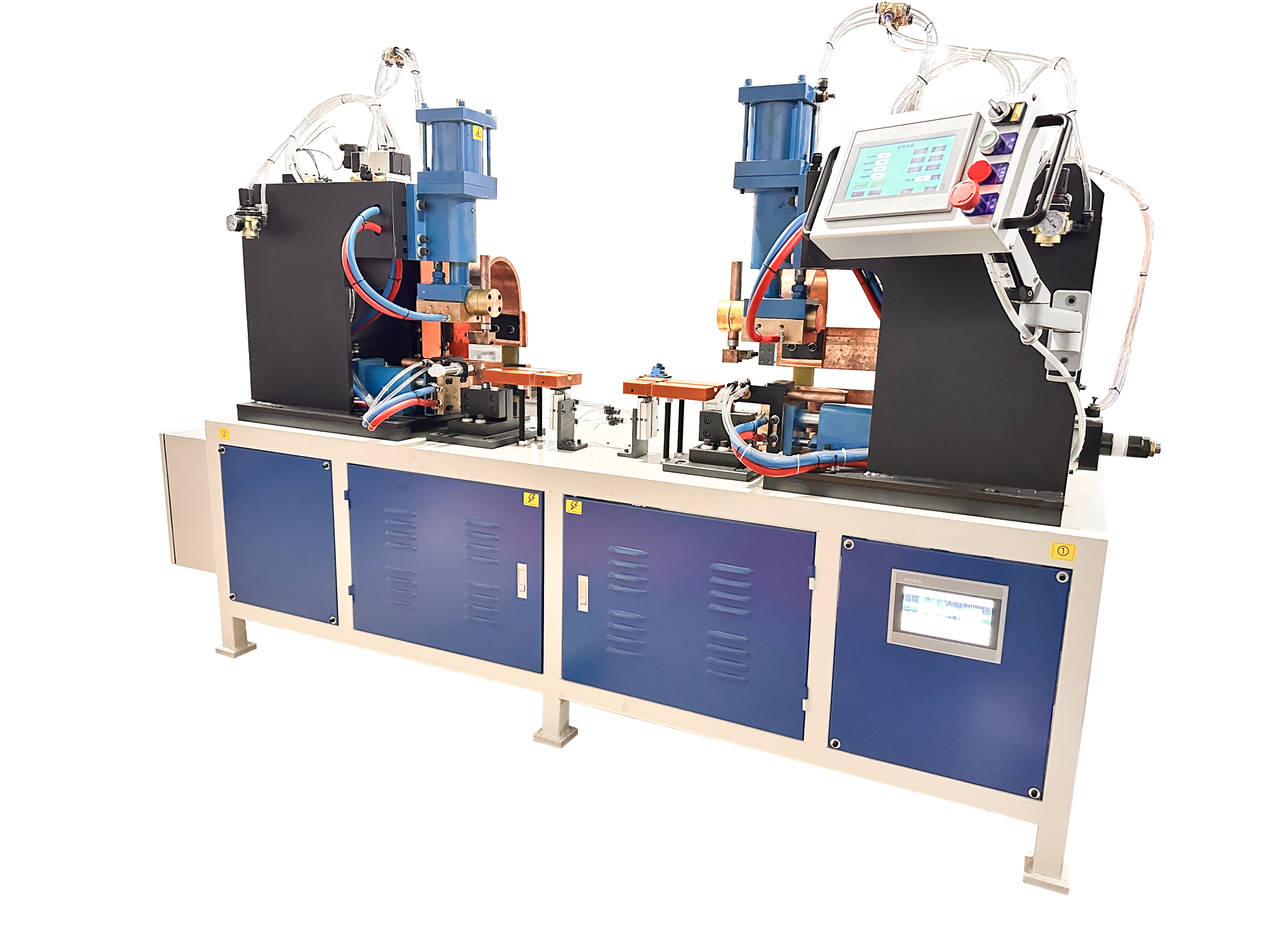
A double-head T-welding machine for shelf is designed to weld two defined T-joint positions in one controlled cycle when the product layout allows it. The operator or feeding system places the frame and cross member in the fixture, positioning elements locate the parts, the welding heads close with controlled pressure, and the programmed welding cycle is completed. The exact arrangement can be customized according to the distance between weld points, wire size and frame geometry.
2. Typical Shelf and Rack Components
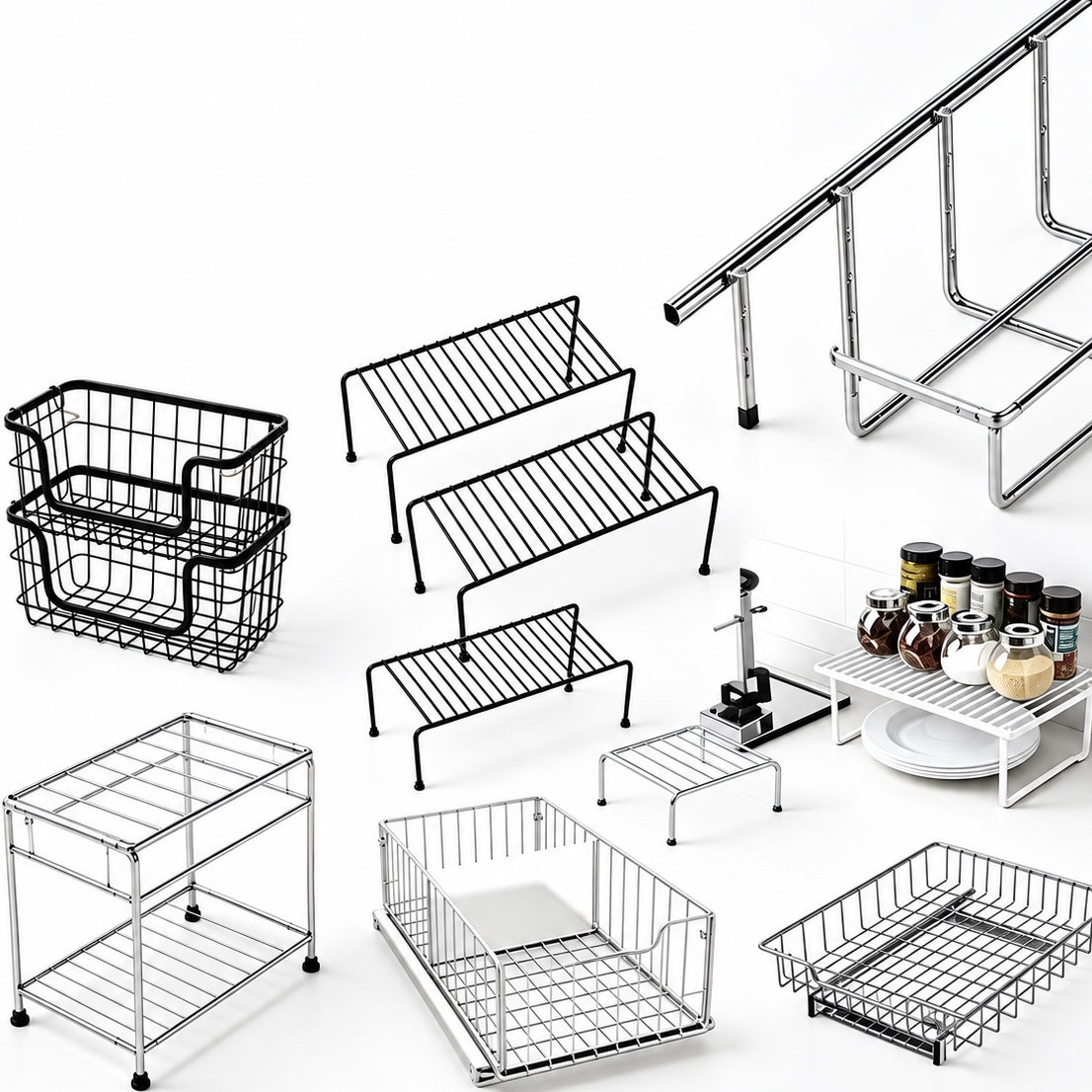
Shelf products may include outer frames, uprights, cross rods, support bars and reinforcing members. Before welding, some frame components can be produced by a CNC 2D wire bending machine or another dedicated forming process. The welding station should be designed around how these components meet. A stable T-joint normally requires repeatable contact between the support rod and the frame, with enough fixture clearance for loading and unloading.
3. Positioning and Fixture Design
Fixture design is often as important as the welding power source. Stops and locating blocks should control the frame position, rod center distance and part orientation. The fixture should resist movement during electrode pressure while avoiding unnecessary constraint that can make loading difficult. For thin or flexible frames, support points may also be needed to reduce deformation. When several shelf sizes share one machine, changeable or adjustable fixture elements can reduce changeover time.
4. Welding Parameters That Affect Quality
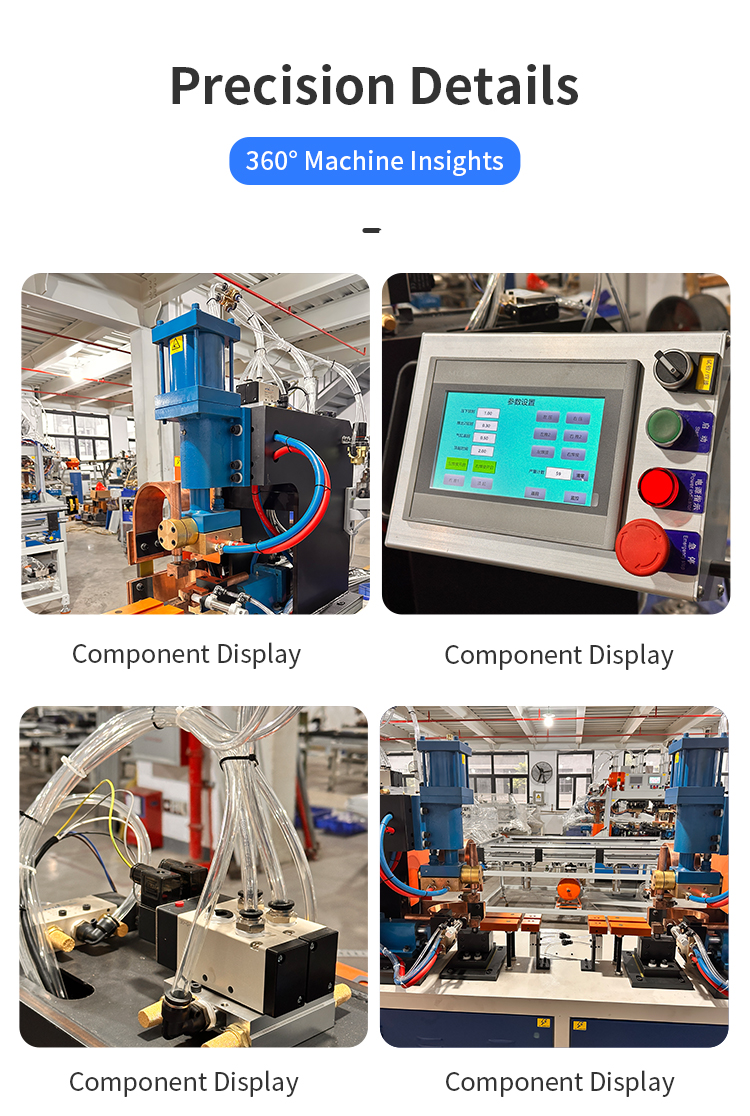
Weld quality depends on the material, wire diameter or section, contact area, electrode condition, pressure, current and welding time. Surface coatings and contamination can also affect electrical contact. A stronger setting is not automatically better: excessive heat can create deep indentation, discoloration or deformation, while insufficient energy can produce a weak joint. Parameters should be confirmed by sample welding with the actual material and product geometry.
5. Double-Head vs Single-Point Welding
A single-point process can be practical for prototypes, small batches or products with irregular weld positions. A double-head system becomes more attractive when two repeatable weld points occur in the same part and production volume justifies dedicated positioning. The main benefit is not simply “two welds instead of one”; it is the ability to reduce repeated handling, keep spacing consistent and standardize the welding cycle. Actual cycle-time improvement depends on loading, fixture design, weld time and part changeover.
6. How to Check Weld Quality
Inspection should combine appearance and mechanical checks. Look for consistent electrode marks, correct joint position, limited distortion and no obvious burn-through. Confirm the frame dimensions after welding because heat and pressure can shift flexible parts. Depending on the product, pull-off, bend or destructive sample tests can be used to compare joint strength. Test several consecutive pieces rather than accepting one sample, and record the welding parameters used for the approved result.
7. Data Needed for a Custom Fixture
Send a product drawing or clear sample photos, overall frame dimensions, wire or bar material, diameter or section size, exact weld-point locations and center distances, number of welds per product, required output and the range of SKUs to be produced. If the frame has tight flatness or dimensional requirements, include those tolerances. With this information, the welding heads, fixture and loading method can be reviewed as one system.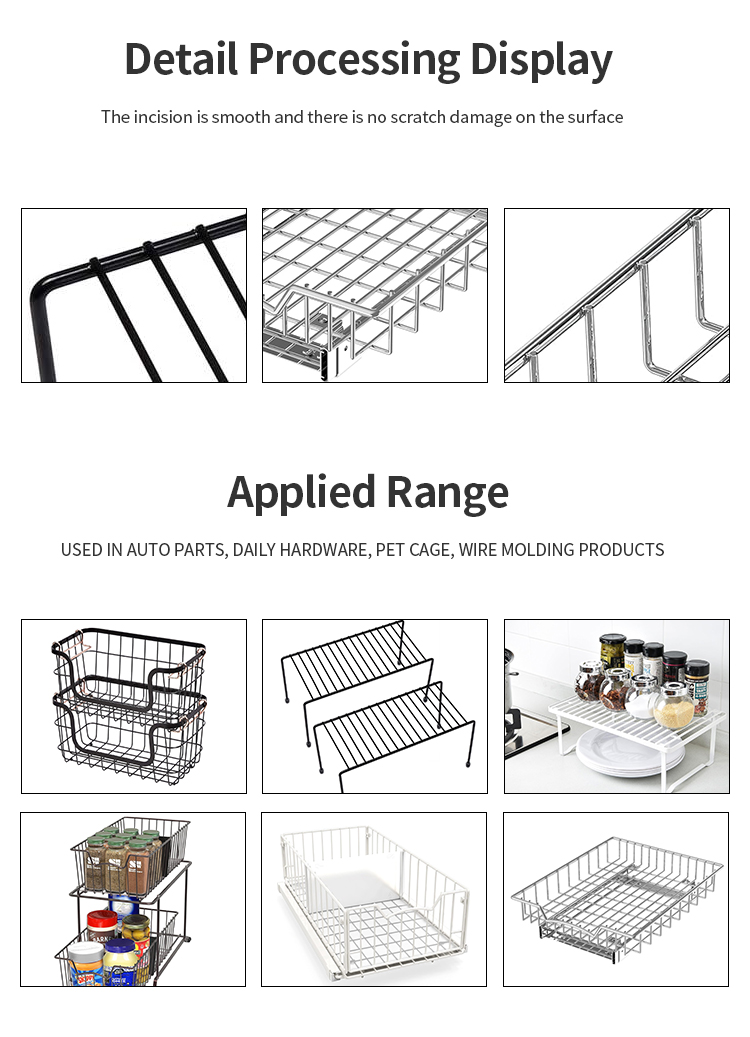
Conclusion
A shelf welding machine should be configured around the real frame structure and weld distribution, not selected only by rated power. The combination of positioning, fixture support, electrode arrangement and welding parameters determines whether the process is repeatable. For a project review, send your shelf drawing and production target to contact Jinchun so the welding layout can be evaluated before quotation.