 EN
EN


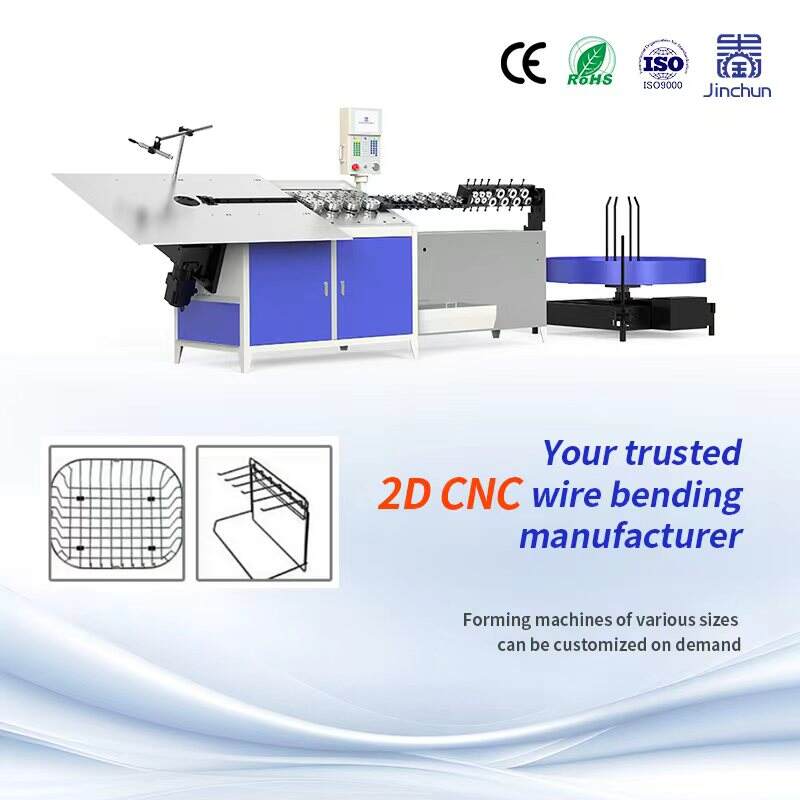
Understanding Wire Straightening Technology for Industrial Applications
Wire straightening machines have revolutionized the metal processing industry by transforming coiled or bent wire into perfectly straight material ready for manufacturing. These sophisticated devices combine mechanical precision with advanced controls to deliver consistent, high-quality results. Whether you're in construction, automotive manufacturing, or industrial production, selecting the right wire straightening machine can significantly impact your operational efficiency and product quality.
Modern wire straightening machines incorporate various technologies to handle different wire materials, diameters, and production speeds. The technology has evolved from simple roller-based systems to computerized machines that can make automatic adjustments and maintain precise straightening parameters throughout the production process.
Essential Features of Wire Straightening Equipment
Roller Configuration and Design
The heart of any wire straightening machine lies in its roller system. High-quality machines typically feature precision-engineered rollers made from hardened steel or carbide materials. The number of rollers can vary from 5 to 12 or more, with each configuration offering different advantages for specific applications. Multiple roller arrangements allow for more precise control over the straightening process, particularly when dealing with spring-back effects in harder materials.
Advanced machines offer adjustable roller positions and pressure settings, allowing operators to fine-tune the straightening process for different wire types and dimensions. This adaptability ensures optimal results across various production requirements and material specifications.
Drive System and Speed Control
The drive system determines how effectively the wire straightening machine can maintain consistent processing speeds and tension control. Modern machines feature variable frequency drives that provide smooth acceleration and precise speed regulation. This level of control is crucial for maintaining product quality and preventing wire damage during the straightening process.
Look for machines with digital speed displays and programmable speed settings that allow operators to quickly adjust production rates while maintaining straightening quality. The best systems also include automatic tension compensation to prevent wire deformation during high-speed operation.
Material Handling Capabilities
Wire Diameter Range
A wire straightening machine must be capable of handling your specific wire diameter requirements. Premium machines offer wide diameter ranges and quick-change capabilities for different wire sizes. Consider machines that can accommodate slight variations in wire diameter without requiring complete roller system adjustments, as this flexibility can save significant setup time.
The machine's capacity should also account for future production needs, as investing in equipment with a broader diameter range can prove more economical than purchasing multiple specialized machines.
Material Compatibility
Different materials present unique challenges in the straightening process. High-quality wire straightening machines are designed to handle various materials, from soft copper and aluminum to high-tensile steel wire. The machine's roller composition and pressure control systems should be appropriate for your specific material requirements.
Consider machines with material-specific presets or programming capabilities that can store optimal settings for different wire types. This feature can significantly reduce setup time and ensure consistent quality across production runs.
Control Systems and Automation
Programming Interface
Modern wire straightening machines feature sophisticated control systems that allow for precise parameter adjustments and monitoring. Look for machines with intuitive user interfaces that provide real-time feedback on straightening performance, speed, and tension levels. Advanced systems may include touch screen controls and recipe storage capabilities for different wire specifications.
The control system should offer both manual and automatic operation modes, allowing operators to fine-tune settings while maintaining consistent production rates. Integration capabilities with other production equipment can further enhance operational efficiency.
Quality Control Features
Advanced wire straightening machines incorporate various quality control features to ensure consistent output. These may include laser measuring systems, tension monitors, and automatic adjustment mechanisms that respond to variations in wire properties. Look for machines that provide comprehensive quality monitoring and documentation capabilities.
Important quality control features include automatic stop functions for material defects, length measurement accuracy, and systems for monitoring roller wear and alignment. These features help maintain product quality and reduce waste in the production process.
Maintenance and Support Considerations
Service Requirements
Regular maintenance is crucial for optimal wire straightening machine performance. Consider machines designed with accessible components and clear maintenance indicators. Quality manufacturers provide detailed maintenance schedules and documentation to help maintain peak performance and extend equipment life.
Look for machines with wear-resistant components and easily replaceable parts to minimize downtime during routine maintenance. Some advanced systems include predictive maintenance features that alert operators to potential issues before they cause production interruptions.
Technical Support
Reliable technical support is essential when selecting a wire straightening machine. Choose manufacturers offering comprehensive training programs, remote diagnostic capabilities, and prompt service response. Consider the availability of spare parts and the manufacturer's track record in providing long-term support.
The best suppliers offer both on-site and remote technical assistance, ensuring quick resolution of any operational issues. This support can be crucial for maintaining production efficiency and minimizing costly downtime.
Frequently Asked Questions
What factors affect wire straightening quality?
Wire straightening quality is influenced by several key factors, including roller configuration, material properties, machine speed, and tension control. Environmental conditions, such as temperature and humidity, can also impact the straightening process. Proper machine setup and regular maintenance are essential for maintaining optimal straightening results.
How often should wire straightening machines be calibrated?
Calibration frequency depends on usage patterns and material types being processed. Generally, professional calibration is recommended every 6-12 months, with more frequent checks for high-precision applications. Regular operator inspections and adjustments should be performed daily to maintain optimal performance.
What safety features should a wire straightening machine include?
Essential safety features include emergency stop buttons, protective guards around moving parts, automatic shut-off systems for wire breaks or jams, and proper electrical safety systems. Advanced machines may also include safety interlocks, operator presence sensors, and comprehensive safety monitoring systems to protect both operators and equipment.