101, Building 9, Jicheng Science And Technology Innovation Park, No. 25, Sanle East Road, Shunjiang Community, Beijiao Town, Foshan, Guangdong, China +86-18038626853 [email protected]
101, Building 9, Jicheng Science And Technology Innovation Park, No. 25, Sanle East Road, Shunjiang Community, Beijiao Town, Foshan, Guangdong, China +86-18038626853 [email protected]

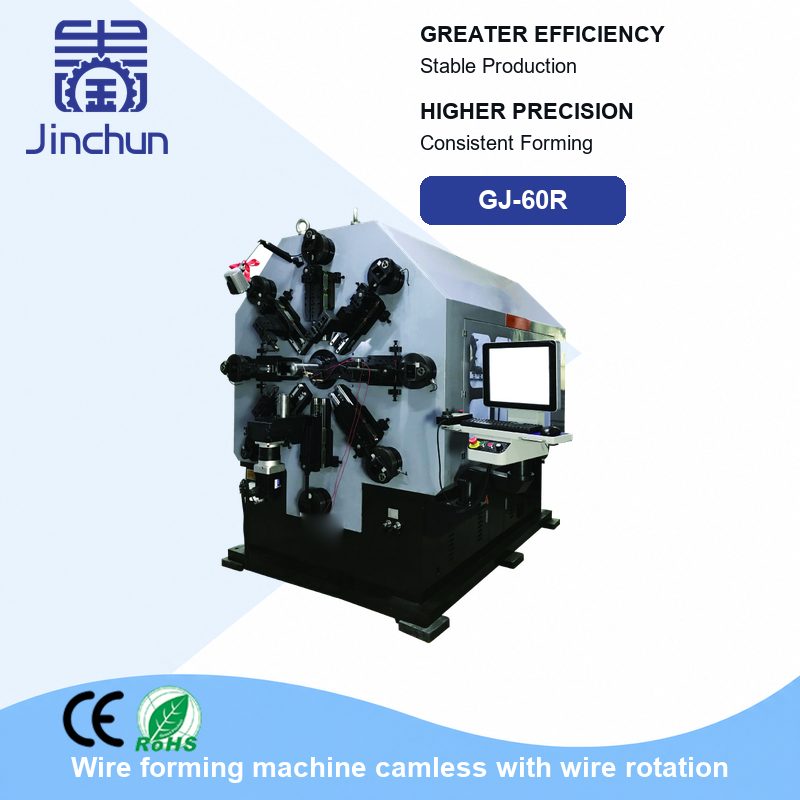
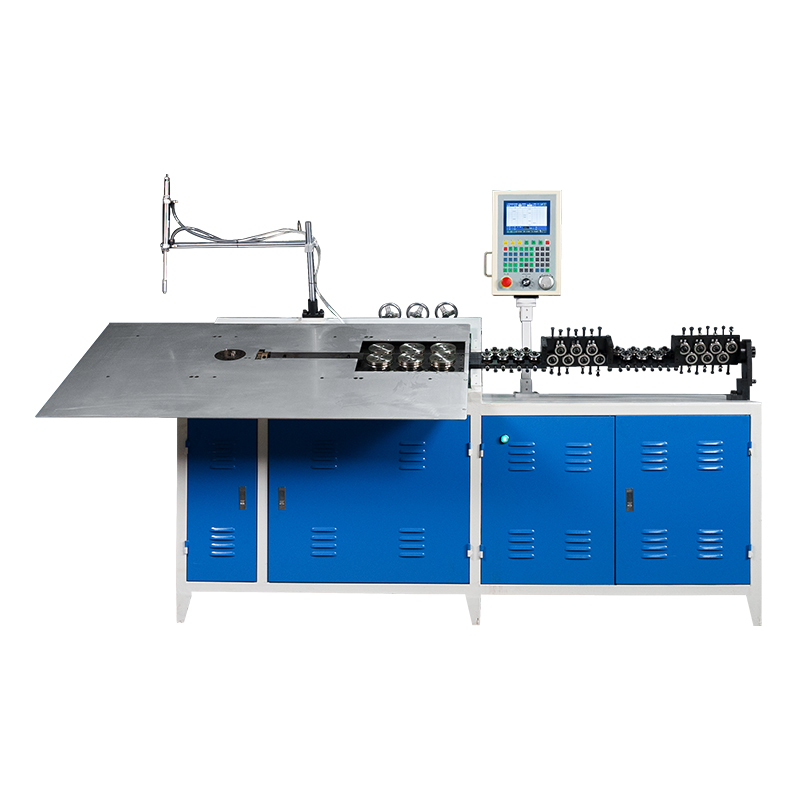
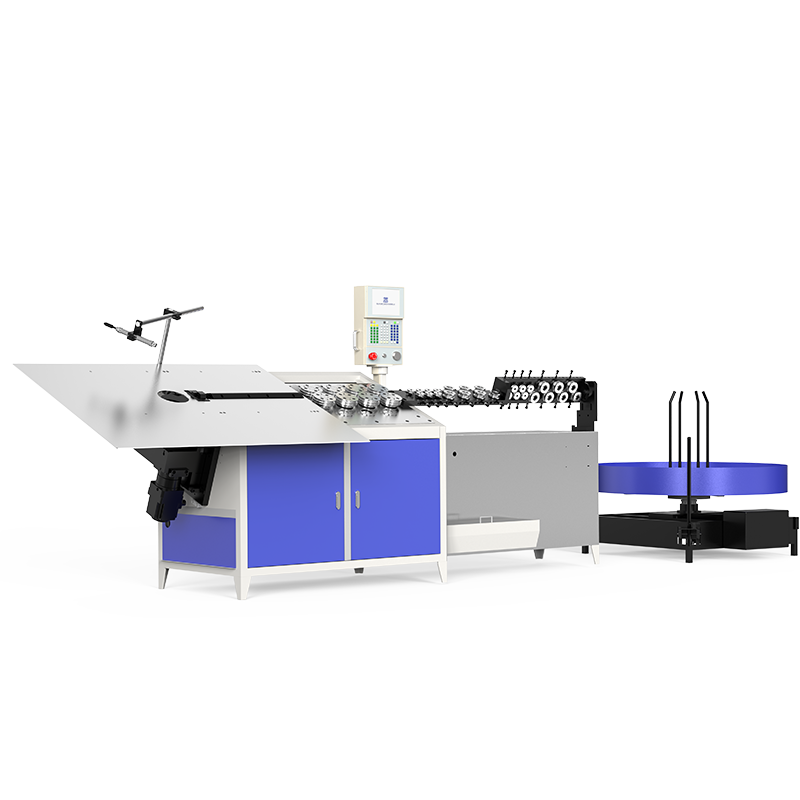
Independently controlled forming movements and programmable wire rotation provide flexible multi-plane processing without conventional cam plates.
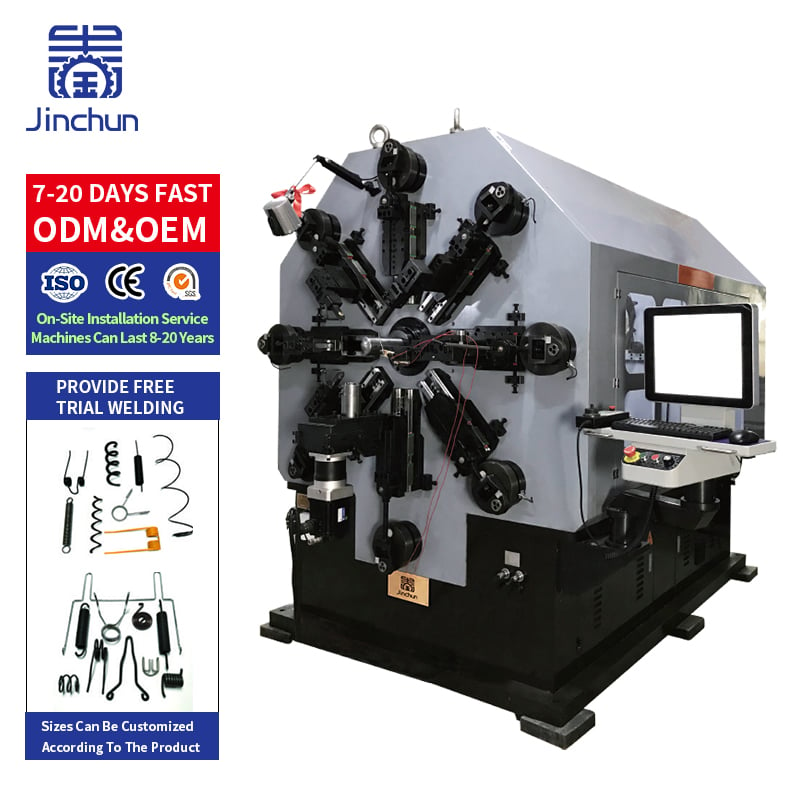
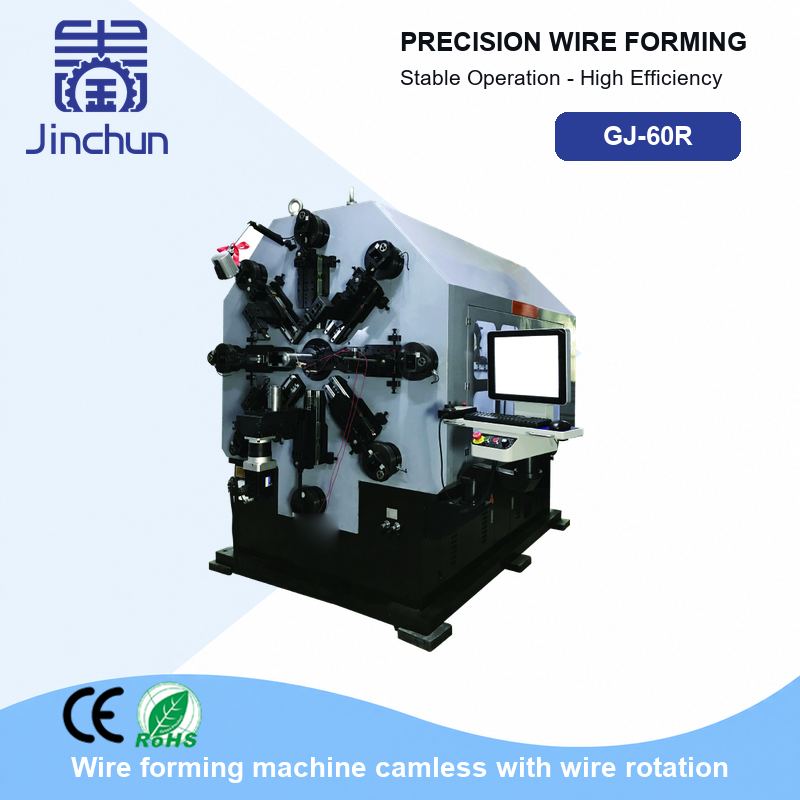
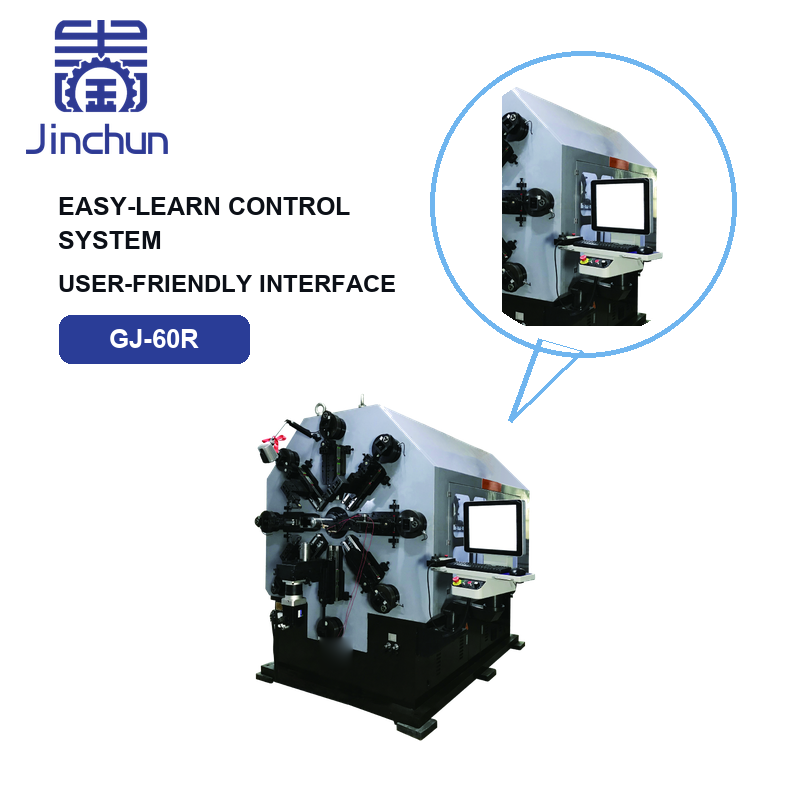
The Camless Wire Forming Machine with Wire Rotation is designed for producing springs and precision wire components with coils, hooks, legs, loops, and bends on different planes. Its camless architecture replaces conventional mechanical cam adjustment with independently controlled forming movements.
The wire rotation system changes the material’s angular orientation during processing, allowing the forming tools to approach different sides of the wire. This combination supports complex production sequences, flexible product setup, and repeatable manufacturing of compatible two-dimensional and three-dimensional components.
Core Features
The number of controlled axes, rotation range, processing dimensions, production speed, and optional functions should be confirmed for the selected model.
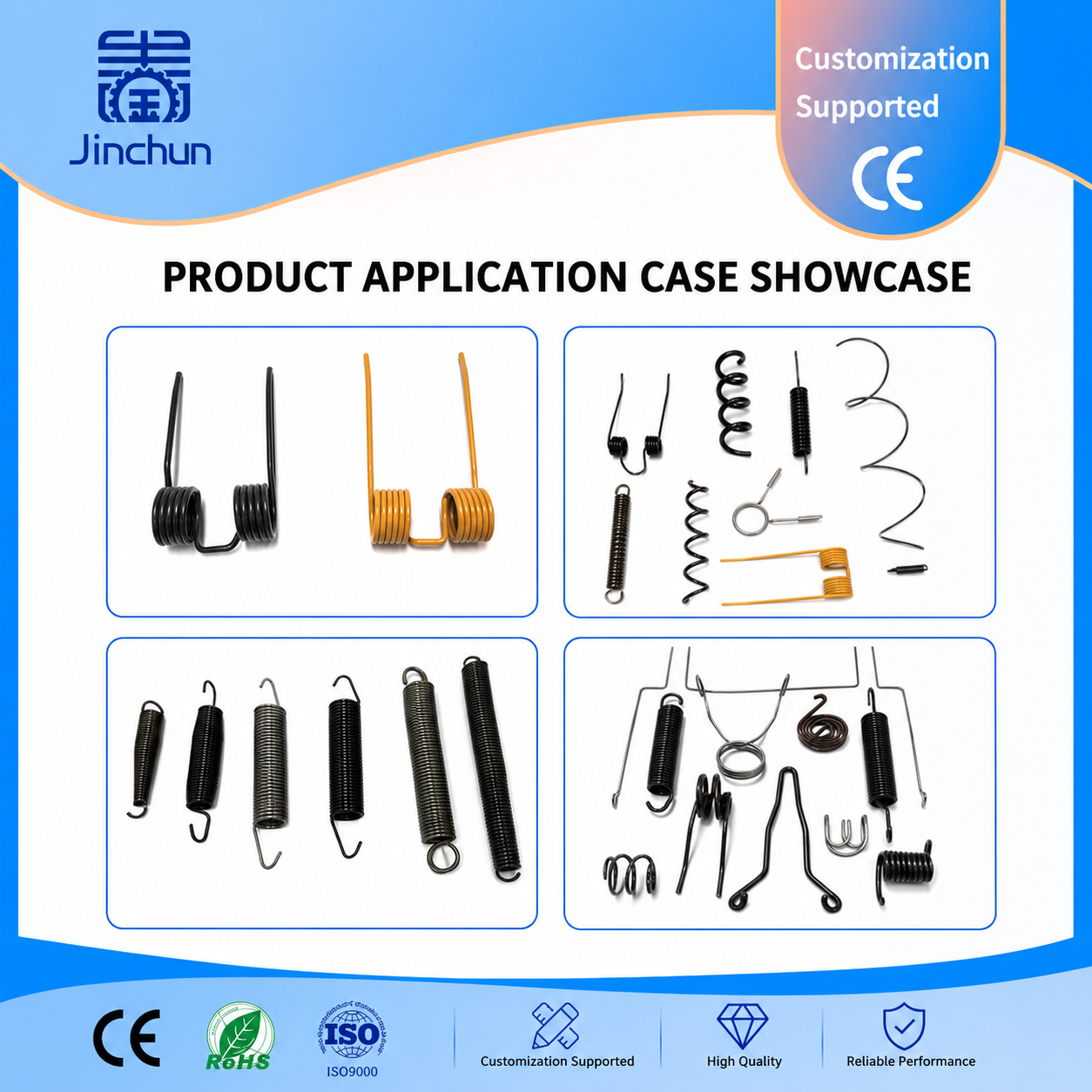
Compatible Products
With suitable tooling and machine configuration, the equipment can be evaluated for:
Product feasibility depends on the material properties, wire diameter, finished geometry, forming sequence, tool access, and required tolerances.
Typical Applications
Material Compatibility
The machine can be configured for suitable carbon spring steel, stainless steel, alloy spring wire, and other formable metal wires. Compatibility must be confirmed according to material grade, wire diameter, tensile strength, surface condition, and minimum bend requirements.
Information Required for Machine Selection
Custom options are available. Contact us to confirm the suitable model, axis configuration, tooling, and production solution.
The forming movements are adjusted through the control system rather than fixed by traditional mechanical cam profiles. Tool positions, timing, and motion sequences can therefore be adapted for compatible products. Mechanical tooling changes may still be required when wire sizes or part geometries differ.
 EN
EN